

Use of Traditional, Complementary and Integrative Medicine
in Berlin: Baseline Results from a Substudy of
the German National Cohort (NAKO)This section is compiled by Frank M. Painter, D.C.
Send all comments or additions to: Frankp@chiro.org


FROM: BMJ Public Health 2026 (Jun 16); 4 (2) :e004323 ~ FULL TEXT
OPEN ACCESS Weronika Grabowska • Benno Brinkhaus • Stephanie Roll • Miriam Ortiz • Thomas Keil • Stefan Willich • Lilian Krist • Claudia M Witt
Institute of Social Medicine,
Epidemiology and Health Economics,
Charité - University Medical Center Berlin,
Berlin, Germany.
Introduction: Traditional, complementary and integrative medicine (TCIM) is widely used yet population-based data on user characteristics remain scarce in Germany. We aimed to describe patterns of non-pharmacological TCIM use and user profiles in the German National Cohort (NAKO).
Method: The NAKO baseline assessment (2017-2019) at the Berlin inner-city study centre included a self-report questionnaire on the use of seven non-pharmacological TCIM modalities in the last year. TCIM user groups were defined a priori using expert-based knowledge and exploratively through hierarchical clustering. Groups were compared descriptively based on sociodemographic factors and medical history. Associations with chronic pain disorders, pain medications, mental health indicators and time-limiting factors were analysed for the binary and ordinal outcomes of TCIM use.
Results: Among 1,970 participants, 1,029 (52.2%) used TCIM in the last year, most commonly meditation (26.8%), chiropractic (24.8%) and yoga (21.8%). Compared with never users, frequent TCIM users were more often female (63.5%), reported slightly higher rates of mental health problems (7.6% and 15.2% vs 6.1%) and more frequent chronic conditions, including osteoarthritis (10.6% and 11.1% vs 2.7%) and back pain (26.6% and 31.7% vs 16.0%). Supplement use was strikingly more common among TCIM users (43.7% vs 20.9%).
Conclusion: In this population-based Berlin sample, TCIM users combined higher prevalence of chronic disease with greater engagement in preventive practices, notably supplement use, suggesting an attempt to seek solutions for chronic problems alongside conventional medical care or a preventive health orientation. Integrating TCIM awareness into prevention and chronic care could better align clinical practice with already existing patients' usage.
Keywords: Epidemiologic Study Characteristics; Mental Health; Preventive Medicine; Sociodemographic Factors.
What is already known on this topic
Traditional, complementary and integrative medicine (TCIM) encompasses a diverse range of practices whose use varies by region and cultural context; in Germany, TCIM has a long-standing tradition and remains widely used.
Evidence on TCIM use is primarily derived from cross-sectional or ad hoc surveys with limited sociodemographic and health-related contextual data, offering little insight into structured patterns of use or their relationship to chronic disease burden.
What this study adds
In a population-based sample from the Berlin study centre of the German National Cohort, more than half of participants reported TCIM use in the past year, most commonly yoga, meditation and chiropractic care.
TCIM use was more frequent among women and individuals with higher educational attainment; high-frequency users reported greater burdens of chronic pain and mental health conditions, alongside increased engagement in preventive behaviours.
Distinct patterns of low-frequency, moderate-frequency and high-frequency use across active and passive modalities were identified, demonstrating that TCIM engagement is heterogeneous and extends beyond a simple ‘ever vs never’ classification.
How this study might affect research, practice or policy
The concentration of TCIM use among individuals with chronic pain and mental health conditions suggests that many patients actively seek additional or alternative strategies for symptom control, potentially reflecting unmet needs within conventional care pathways.
Differentiating between distinct user groups may help clinicians and policymakers better understand patient motivations, improve communication about TCIM use and support more coordinated management of chronic conditions.
From the Full-Text Article:
Introduction
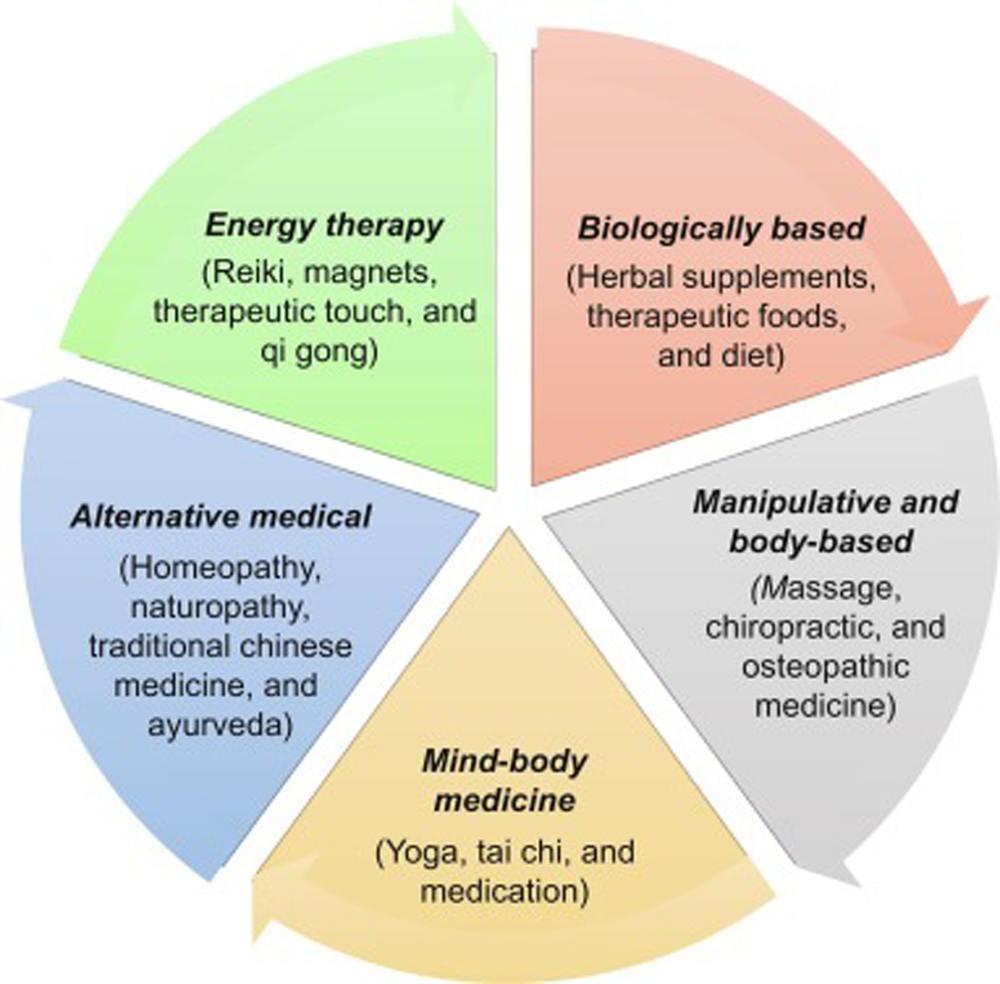
Non-pharmacological traditional, complementary and integrative medicine (TCIM) comprises many therapeutic modalities, including, for example, yoga, chiropracvtic, Tai Chi, acupuncture and nutritional interventions. [1] They are often used in health promotion and prevention [2] or to enhance therapeutic efficacy in combination with conventional medicine or to combat side effects (National Center for Complementary and Integrative Health). [3] Due to their holistic approaches, TCIM is increasingly popular among patients with chronic physical and psychological health problems. [4–6]
Even though many of TCIM modalities (ie, yoga, acupuncture) originated from and are part of traditional medicine, for example, in East and Southeast Asia, their use has been growing in popularity in the USA and Europe, with past surveys reporting that more than 30% of American and about 25% of European adults having used some form of TCIM in the previous 12 months. [3, 7–9]
The usage of TCIM was particularly high in Germany with up to 70% of the Germans reporting a live-time prevalence of TCIM use. [1, 10, 11]
Despite the high use of TCIM, a deeper understanding among the healthcare professionals of, for example, who uses TCIMs, why and how frequently, has not always followed. [12, 13] Further, the impact of regular TCIM utilisation on the development and course of diseases, as well as the changes in TCIM’s long-term use patterns remain unknown, [9, 11, 14] impacting its more sustainable and feasible incorporation into conventional healthcare systems. [15] A clearer characterisation of TCIM users is relevant for understanding patient health-seeking behaviour and for supporting informed, coordinated care in conventional healthcare settings. [9]
Study aims were(1) to describe the population of TCIM users with regards to their socio-economic and demographic characteristics using a subsample of the German National Cohort (NAKO) population;
(2) to describe the frequency in the use of seven predefined TCIM modalities using exploratory as well as TCIM groups defined a priori by experts and
(3) to investigate the differences in prevalence of diseases and lifestyle choices between a priori defined user groups.
Methods
Study population and data collection
The NAKO is a national population-based study designed to investigate risk and protective factors for major chronic diseases, with oversampling of adults >40 years relative to those aged 20–40 years. [16] Since 2014, 18 study centres located in 16 German regions recruited a random sample of 205,000 individuals (about 50% women) from the general local population, aged 20–69 years. [17]
Baseline assessment (2014–2019) included interviewer-administered and self-completed questionnaires, standardised examinations. Several centres implemented additional modules; the Berlin-Mitte centre administered a questionnaire on TCIM use and therefore, the present analysis is restricted to Berlin-Mitte participants — a predominantly urban population — who completed this module. Efforts to minimise bias in NAKO included standardised, digitalised data collection and calibration of measurements; the study sample is not representative of the German population, however. [17]
NAKO received approval from all local ethics committees and was conducted in accordance with the Declaration of Helsinki; all participants provided written informed consent. [18] Participants were not involved in the study’s design or planning. However, over the course of the study, NAKO ambassadors were recruited from among the participants to serve as participant representatives.
Assessment of TCIM use and categorisation of its frequency
A seven-item questionnaire on non-pharmacological TCIM use in the past 12 months (online supplemental figure S1 ) was incorporated into the NAKO baseline assessment at the Berlin-Mitte centre starting in May 2017 and administered thereafter to 1973 participants (online supplemental figure S2). The instrument captured frequency of seven commonly used modalities: three ‘active’ (relaxation exercises/meditation, yoga, Tai Chi/Qigong) and four ‘passive’ (acupuncture, chiropractic/manual therapy, osteopathy, neural therapy).
For active modalities, frequency was recorded as never, rare ( ~1×/month) or regular ( ~1×/week). For passive modalities, participants reported the number of treatments in the previous 12 months; counts were collapsed a priori into rare (<4/year) and regular (≥4/year) for chiropractic/manual therapy, osteopathy and neural therapy based on clinical expertise (BB, CMW, MO). Given prior evidence that ~10 acupuncture sessions can confer benefit, [19] acupuncture was categorised as rare (<10) or regular (≥10) sessions in the past year. Participants reporting no active modality use were classified as ‘never users’.
TCIM user group categorisation
We defined TCIM user groups in two ways — a priori (expert-driven) and data-driven (exploratory clustering) — using only responses from the seven-item TCIM module.A priori TCIM user groups
TCIM users were first categorised as ‘never TCIM users’ (no use of any TCIM modality in the past 12 months) and ‘ever TCIM users’ (any use). Ever users were then assigned to one of four mutually exclusive categories based on modality type and frequency (operationalised as in the Exposure section):(1) single rare (rare use of exactly one TCIM modality);
(2) multiple rare (rare use of ≥2 modalities including at least one active and one passive);
(3) single frequent (regular use of exactly one modality); and
(4) mixed regular use of ≥2 modalities including both active and passive TCIM modalities.Exploratory TCIM user groups
The exploratory TCIM user groups were derived through hierarchical clustering methods.
MeasuresSociodemographic factors
Demographic and socio-economic characteristics were obtained during the NAKO face-to-face interview, including nationality, education, income, employment, housing, number of young children and migration background. [17]
Medical history and multimorbidity
Self-reported physician diagnoses were classified as:(1) never diagnosed;
(2) diagnosed, untreated (previous diagnosis without care in the past 12 months); and
(3) past diagnosis, treated (previous diagnosis with care in the past 12 months).Chronic back pain was defined separately as back pain ‘almost every day for >3 months in the past 12 months’. Owing to source data limitations, not all conditions could be assigned to all three categories. Multimorbidity was summarised as ≥2 and ≥3 currently treated conditions from the following list: allergies; cardiac, pulmonary and gastrointestinal disorders; metabolic disorders; HIV/AIDS; osteoarthritis; rheumatoid arthritis; fibromyalgia; tumour disorders; epilepsy; anxiety, depression, panic attacks; eye disorders; Parkinson’s disease; Sjögren syndrome; multiple sclerosis; and (women only) gynaecological disorders.
Standardised questionnaires
The current mental health status was estimated using Generalised Anxiety Disorder Scale (GAD-7) for anxiety, [20] depression scale of the Patient Health Questionnaire (PHQ-9) for depressive symptoms, [21, 22] stress scale of the PHQ (PHQ-Stress) [23] and panic disorder module of the PHQ. [24]
The predefined cut-off values were used to determine if, in accordance with the Diagnostic and Statistical Manual of Mental Disorders-IV, a given participant might be experiencing anxiety (GAD 7: ≥10), depression (PHQ-9: ≥10) or stress (PHQ-Stress: ≥10). [25] Alcohol use was measured with Alcohol Use Disorders Identification Test – Consumption (AUDIT-C); risky consumption: ≥4 men, ≥3 women). [26]
Smoking status was categorised as never, former, current or unknown. Health-related quality of life and pain in the past 4 weeks were assessed with the modified Short-Form-12 (SF-12). [27] Sleep quality was assessed using eight items from the Pittsburgh Sleep Quality Index (PSQI) [28]; poor sleep was defined as difficulty initiating or maintaining sleep or early awakening at least three times per week plus self-rated poor/very poor sleep quality. Use of vitamins/minerals in the past 12 months was derived from the Food Frequency Questionnaire (FFQ2) and dichotomised (yes/no). [29]Medication use
Baseline medication intake was recorded using the German preferred IDOM (Database assisted Online recording for Medication) structure. [30] For this analysis, we considered three analgesic groups—opioids, non-opioid analgesics and migraine-specific agents—reported as users versus non-users.
Physical activity and social connectedness
Physical activity was assessed with self-administered questionnaires, the Questionnaire on Annual Physical Activity Pattern and the Global Physical Activity Questionnaire. [31] We report the proportion meeting the WHO recommendation of ≥2.5 hours/week of moderate activity, as computed by NAKO data management. [32] Social connectedness was measured using the Social Network Index (SNI) and categorised into four levels, with higher levels indicating greater social integration. [33]
Statistical analysis
We summarised continuous variables as means and SD and categorical variables as counts (percentages), overall and by TCIM user group; comparisons between the a priori formed TCIM user groups were descriptive.
To derive empirical TCIM patterns, we applied agglomerative hierarchical clustering (Ward’s minimum-variance linkage) to the seven modality items. The TCIM modality variables were ordinal frequency measures (eg, no, rare, regular use) that were coded numerically to reflect increasing use intensity before clustering; because all modalities shared the same three-level scale, they were treated as approximately equally spaced for the purpose of clustering. The number of clusters was guided by the cubic clustering criterion (CCC), pseudo-F and pseudo-T statistics, and confirmed by dendrogram inspection. [34, 35] External validity was explored by cross-tabulating data-driven clusters with the a priori TCIM groups.
Associations with TCIM use were estimated using multivariable logistic regression for ever versus never users, reporting ORs and 95% CIs. Covariates included sex, age (categories), chronic headache (yes/no), migraine (yes/no), alcohol consumption (ordinal) and risky use per AUDIT-C (yes/no), [26] smoking status (never/former/current/unknown), anxiety (GAD-7≥10), [20] depression (PHQ-9≥10), [21] sleep quality (ordinal, PSQI-derived), [28] health-related quality of life and self-rated health (SF-12), [27] pain in the past 4 weeks (ordinal), number of children <14 years (continuous), SNI (ordinal), [33] opioid use (yes/no) and meeting WHO physical activity recommendations (yes/no). [32]
Analogous multinomial logistic regressions were carried out for the five levels of TCIM use. For both models the fit was assessed using likelihood ratio tests, information criteria (Akaike Information Criterion (AIC) and Bayesian Information Criterion (BIC)) and pseudo-R² statistics (McFadden), comparing models with covariates to intercept-only models. Convergence diagnostics were examined to ensure model stability. All tests were two-sided; analyses were exploratory with no adjustment for multiple comparisons. Missing data were handled by complete-case analysis (no imputation). Analyses were conducted in SAS V.9.4 (SAS Institute, Cary, North Carolina, USA) and R V.4.3.2 (Posit team (2023)). This study is reported in accordance with the Strengthening the Reporting of Observational Studies in Epidemiology (STROBE) guidelines.
Results
Demographics and socio-economic characteristics

Table 1
page 4Of 1973 NAKO participants who received the baseline TCIM questionnaire, 1970 (99.8%) completed it and were included. Among completers, 941 (47.8%) were never TCIM users and 1029 (52.2%) were users. Based on a priori definitions, participants were classified into five user groups: mixed frequent (n=426, 21.6%), single rare (n=283, 14.4%), single frequent (n=199, 10.1%), multiple rare (n=121, 6.1%) and never users (n=941, 47.8%) (Table 1).
Just over half were aged 40–59 years (55.5%) and male (51.7%); most were Caucasian (98.5%). Never users were predominantly male (63.5%). Part-time employment was more common among TCIM users (29.0–43.3% across user subgroups) than never users (25.3%). Mixed frequent users most often had higher education (72.8%), the highest mean years of education (16.3 (SD 2.7)), were more likely to live alone (31.2%) and most frequently reported slight social isolation (SNI level III, 35.9%) (table 1).
The use of TCIM
Table 2
page 6The most commonly used TCIM modalities were relaxation exercises/meditation (26.8%), chiropractic/manual therapies (24.8%) and yoga (21.8%); neural therapy was least used (1.7%). Each of the remaining three modalities was used by <10% of participants (Table 2). Co-use patterns indicated that yoga and meditation were frequently practised together (rare use, n=53; frequent use, n=41), and rare acupuncture often co-occurred with frequent chiropractic (n=19).
Distribution of disorders

Figure 1 The largest differences across TCIM user groups were observed for pain and metabolic disorders and among women with gynaecological disorders. Compared with never users, frequent users (single or mixed) reported higher prevalence of osteoarthritis (10.6% and 11.1% vs 2.7%), chronic back pain (26.6% and 31.7% vs 16.0%) and metabolic disorders (22.7% and 23.8% vs 18.0%; Figure 1; online supplemental table S2.1). These associations for metabolic disorders and osteoarthritis were predominantly driven by women (online supplemental table S2.2).
For mental health, all TCIM user groups showed slightly higher proportions of self-reported mental health diagnoses (treated and untreated) and higher symptom scores for depression (PHQ9), anxiety (GAD7) and stress (PHQ9 stress) than never users (Figure 1; online supplemental table S3.1).
Women used TCIM more than men—even among participants with lower socio-economic status, metabolic disorders, osteoarthritis or multimorbidity (≥2 chronic conditions). Women living alone were also more likely to use TCIM than men, whereas men had lower rates of alcohol abstinence even among TCIM users. Sex-stratified baseline characteristics and diagnoses for TCIM groups are provided in online supplemental tables S1–S3.2.
Frequent users reported greater pain intensity: moderate pain (19.8% and 22.1% vs 10.2) relative to never users. Health-related and wellness-related behaviours also differed: regular intake of multivitamins/minerals was more common among TCIM users (30.2–43.7% across subgroups) than never users (20.9%). Additional outcomes by TCIM group are shown in online supplemental tables S4 and S5.
Differences in health outcomes and lifestyle choices
Table 3
page 8In logistic regression (ever vs never TCIM use), women had about twice the odds of TCIM use compared with men. Both regression models converged successfully. For the binary logistic regression, the likelihood ratio test indicated overall model fit (χ2=135.24, df=21, p<0.0001). Model fit improved compared with the intercept-only model (AIC 2247.86 vs 2341.10; BIC 2367.36 vs 2346.53; —2 Log Likelihood 2203.86 vs 2339.10), with a McFadden pseudo-R² of 0.058. Similarly, the multinomial logistic regression model showed improvement over the intercept-only model (χ2=263.93, df=84, p<0.0001; AIC 4512.52 vs 4608.46; BIC 4990.53 vs 4630.18; —2 Log Likelihood 4336.52 vs 4600.46), with a McFadden pseudo-R² of 0.057. Participants reporting pain lasting ≥4 weeks had higher odds of ever use (OR 1.23, 95% CI 1.12 to 1.35) than those with shorter or no pain. Older age was weakly associated with use (OR per year 1.01, 95% CI 1.00 to 1.02) (Table 3). The exact effect sizes for the TCIM user groups compared with never users, estimated from the multinomial regression model, are also presented in Table 3.
Exploratory TCIM user groups – results of the cluster analysis
We selected the number of clusters using the CCC, pseudo-F and pseudo-T statistics. The CCC was high (2.82) and pseudo-F values were large (578–700), indicating well-separated structure. Inspection of pseudo-T across agglomeration steps favoured solutions immediately preceding a large jump, suggesting 3-cluster or 5-cluster solutions. Visual review of the dendrogram (maximal between-cluster distances) supported k=5, which we retained (online supplemental figure S3).

Figure 2 The five clusters were: (1) TCIM non-users (n=1111); (2) yoga-only (n=94); (3) mixed active-TCIM users (n=363); (4) mixed manual-TCIM users (n=241); and (5) mixed TCIM users (n=161) (Figure 2). Cluster-specific demographic, socio-economic and diagnostic profiles are provided in online supplemental table S6.
Discussion
Main findings
In this inner-city Berlin subcohort of the NAKO study, more than half of participants reported non-pharmacological TCIM use in the past year, most often relaxation and meditation practices, chiropractic/manual therapies and yoga. TCIM use was higher among individuals with osteoarthritis, chronic back pain, metabolic disorders and among women with gynaecological conditions. Users also reported a greater burden of mental health problems, reflected in both diagnosed conditions and elevated symptom scores for depression, anxiety and stress. In addition, TCIM use was associated with more regular consumption of multivitamin and mineral supplements.
Comparison with previous research
Our findings complement previous research in Germany, where TCIM use has been reported to be more common among women and among individuals with psychological or musculoskeletal conditions, including patients of primary care providers and TCIM providers.11 In our cohort, TCIM use was not associated with age, whereas other studies have typically shown higher use among middle-aged and older adults. [36, 37]
Patterns of use also mirrored those reported in the US National Health Interview Survey, where yoga, meditation and chiropractic care were the most commonly used TCIM modalities in 2017 and 2022, with prevalence rising since 2012. [8] In our cohort, these modalities likewise ranked highest, though at about 10 percentage points greater frequency. Differences likely reflect sample characteristics and broader cross-national variation, with TCIM use generally higher in Germany. [1, 11] Further, the frequency of TCIM use observed in our study complements the results of an online survey of 4,065 German residents, which found lifetime TCIM use at 69.6% and 10.9% reporting use daily or several times a week, and 30.4% never. [1] Although not directly comparable due to differing reference periods and frequency definitions, these figures support the plausibility of our estimate of 52% of any TCIM use in the past 12 months. [1]
The high prevalence of relaxation practices likely reflects growing evidence of their short-term and long-term benefits for stress management, [38, 39] including effects on anxiety, depression, [38, 39] chronic pain [40] and insomnia. [41] Their accessibility through mobile applications further facilitates uptake. [42, 43] Yoga, which combines physical postures, breathing and meditation, has shown similar benefits, particularly for mental health, [44, 45] and can improve mobility in older adults. [46] Its rising popularity in Western countries, especially among younger urban women, may explain the high prevalence observed in our cohort. [8, 47]
Given these links, it is unsurprising that TCIM use was more common among participants with mental health diagnoses and those meeting criteria for depression, anxiety and stress. [38, 45, 48] Although clinical evidence remains mixed, [38, 45, 48, 49] individuals with mental health conditions consistently report higher TCIM use. [11, 50] These findings underscore the need for research to clarify the causal direction between TCIM engagement and mental health outcomes.
Participants with chronic pain conditions were also more frequent TCIM users. This may indicate that TCIM is partly filling a treatment gap, as German physicians prescribe fewer pain medications—particularly long-acting opioids — than their counterparts in the USA or UK. [51, 52] In the context of an ageing population and a growing burden of chronic pain, [53, 54] TCIM could represent an important adjunct or alternative to conventional pain management. Understanding its long-term effects on pain, life satisfaction and physical function may inform health policy aimed at reducing reliance on pharmacological treatments, including opioids. [46, 54, 55]
TCIM users also reported lower rates of smoking and risky drinking but more frequent supplement use, suggesting a preventive health orientation and broader wellness lifestyle. This may reflect the medicalisation of lifestyle, as supplements are often viewed as quasi-therapeutic and cluster with other favourable health habits. [56, 57] Since supplement use is more common among educated and affluent groups, these patterns highlight the role of socio-economic resources [58] and the need for policies that reduce inequalities in access to preventive health practices.
Strengths and limitations
One of the strengths of the present analysis was the use of the comprehensive NAKO dataset including broad extensive demographic, socio-economic and medical information. This design enabled detailed analysis of user groups, their disease profiles and associations with health and life satisfaction compared with non-users. The close agreement between expert-defined and cluster-derived groups supports the robustness of our categories, suggesting validity beyond the original classification framework. Another strength was the rigorous validation and calibration of the NAKO data, ensuring high quality.
Several limitations should be noted. First, our analysis was cross-sectional, limiting the ability to establish temporal relationship between disease diagnosis and TCIM utilisation; longitudinal assessments will only be possible once follow-up data are available. Further, as the primary aim of this study was descriptive—to characterise patterns and user profiles of TCIM utilisation—variables such as education and related lifestyle characteristics were not included as adjustment variables in the regression analyses; consequently, the findings should be interpreted as exploratory only.
Second, TCIM data collection began several years into baseline recruitment, reducing the number of eligible respondents. Third, all data were collected at a single urban study centre (Berlin-Mitte), which may limit generalisability to other regions or rural populations, although our sample was broadly similar to the overall NAKO population in terms of sex and age distribution. [17]
In addition, TCIM use and disease status were self-reported and may therefore be subject to recall bias and potential misclassification. Participants may have inaccurately reported the frequency or type of TCIM use. Finally, the survey covered only seven prespecified TCIM modalities, likely to underestimate overall prevalence.
Conclusion
This study complements previous research on TCIM in Germany, in particular confirming characteristic demographic and clinical patterns of frequent users while pointing to broader clusters of health-oriented behaviours. Future longitudinal data from the NAKO cohort will be crucial to clarify causal links with mental health, pain and disease trajectories, and to improve understanding of TCIM use patterns and their potential implications for patient-centred care and health service planning.
Additional filesAdditional file [PDF 32 pages]
Fig S1. Complimentary Therapy Questionnaire (translation. The original questionnaire was administered in German)
Fig S2. Flow diagram of participant recruitment and retention
Table S1. The use of complementary therapy modalities and socio-demographics characteristics in the NAKO study population from inner city Berlin, by TCIM user groups and by sex
Table S2.1. Prevalence of chronic disorders in the NAKO study population from inner city Berlin, by diagnosis and TCIM user groups
Table S2.2. Prevalence of chronic disorders in the NAKO study population from inner city Berlin, by diagnosis, sex, and TCIM user groups
Table S3.1. Mental health related outcomes in the NAKO study population from inner city Berlin, by TCIM user groups
Table S3.2. Mental health related outcomes in the NAKO study population from inner city Berlin, by TCIM user groups and by sex.
Table S4. Consumption of multivitamins and supplements the NAKO study population from inner city Berlin, by TCIM users groups
Table S5. Other wellness indicators in the NAKO study population from inner city Berlin, by TCIM user groups
Table S6. Clusters’ characteristics - complimentary therapy use, socio-demographics, diagnosis and health related outcomes [only selected]
Figure S3. Dendrogram showing the agglomerative hierarchical clustering based on TCIM use variables in study population
Contributors:
TK, SW and LK made substantial contributions to conception and development of the NAKO cohort.
CMW initiated the TCIM data collection in the NAKO cohort.
WG, CMW, BB, MO and SR were responsible for the design and conduct of the analysis of this NAKO substudy.
LK, SR and WG were responsible for data acquisition and data quality assurance.
WG analysed the data and wrote the manuscript, while CMW, BB, WG, LK, MO, SR and TK were responsible for interpretation of the data.
WG wrote the manuscript with all authors conducting a revision of the manuscript.
The final edited version was approved by all authors for publication. All authors agree to be responsible for all aspects of the work.
WG as the corresponding author is the guarantor.
Funding:
The NAKO is funded by the Federal Ministry of Education and Research (BMBF) (project funding reference numbers: 01ER1301A/B/C, 01ER1511D, 01ER1801A/B/C/D and 01ER2301A/B/C), federal states of Germany and the Helmholtz Association, the participating universities and the institutes of the Leibniz Association.
This subproject had no designated funding. This project was conducted with data (Application No. NAKO-818) from the German National Cohort (NAKO) (www.nako.de).
The data collection and documentation were provided by NAKO Centre Berlin Mitte, while the quality assurance and data analysis are provided by the Institute of Social Medicine, Epidemiology and Health Economics, Charité - Universitätsmedizin, Berlin.
Competing interests:
CMW received research grants to the University for digital health projects from the DIZH, the Swiss Cancer Research foundation, the SNF, the German health care Innovation Fund and Newsenselab GmbH, and has received honouraria from Swiss hospitals and non-industry organisations for scientific presentations on digitalisation and AI in medicine, integrative oncology or mind body medicine.
Supplemental material:
This content has been supplied by the author(s). It has not been vetted by BMJ Publishing Group Limited (BMJ) and may not have been peer-reviewed. Any opinions or recommendations discussed are solely those of the author(s) and are not endorsed by BMJ. BMJ disclaims all liability and responsibility arising from any reliance placed on the content. Where the content includes any translated material, BMJ does not warrant the accuracy and reliability of the translations (including but not limited to local regulations, clinical guidelines, terminology, drug names and drug dosages), and is not responsible for any error and/or omissions arising from translation and adaptation or otherwise.
References:
Jeitler M, Ortiz M, Brinkhaus B, et al.
Use and acceptance of traditional, complementary and integrative medicine in Germany-an online representative cross-sectional study.
Front Med (Lausanne) 2024; 11.
doi:10.3389/fmed.2024.1372924Jerzynski L, Rotter G, Binting S, et al.
Health-Related Self-Care Strategies and Coping Resources During the COVID-19 Pandemic: An Online-Based Cross-Sectional Study.
J Integr Complement Med 2022; 28:799–810.
doi:10.1089/jicm.2022.0475National Center for Complementary and Integrative Health.
Complementary, alternative, or integrative health: what’s in a name? 2021;
Available: here [Accessed 26 Jan 2023]Verhoef MJ, Balneaves LG, Boon HS, et al.
Reasons for and characteristics associated with complementary and alternative medicine use among adult cancer patients: a systematic review.
Integr Cancer Ther 2005; 4:274–86.
doi:10.1177/1534735405282361Berna F, Göritz AS, Mengin A, et al.
Alternative or complementary attitudes toward alternative and complementary medicines.
BMC Complement Altern Med 2019; 19.
doi:10.1186/s12906-019-2490-zTangkiatkumjai M, Boardman H, Walker D-M, et al.
Potential factors that influence usage of complementary and alternative medicine worldwide: a systematic review.
BMC Complement Med Ther 2020; 20.
doi:10.1186/s12906-020-03157-2Kemppainen LM, Kemppainen TT, Reippainen JA, et al.
Use of complementary and alternative medicine in Europe: Health-related and sociodemographic determinants.
Scand J Public Health 2018; 46:448–55.
doi:10.1177/1403494817733869Clarke TC, Barnes PM, Black LI, et al.
Use of Yoga, Meditation, and Chiropractors Among
U.S. Adults Aged 18 and Over
NCHS Data Brief • No. 325 • November 2018Ortiz M, Wischnewsky M, Jeitler M, et al.
Health-Related quality of life and the impact of traditional, complementary and integrative Medicine - an Online - Representative Cross-Sectional survey in Germany.
BMC Public Health 2025; 25.
doi:10.1186/s12889-025-23908-5Naturheilmittel - Ergebnisse Einer Bevölkerungsrepräsentativen Befragung.
Institut fur Demoskopie Allensbach 2010;Krug K, Kraus KI, Herrmann K, et al.
Complementary and alternative medicine (CAM) as part of primary health care in Germany-comparison of patients consulting general practitioners and CAM practitioners: a cross-sectional study.
BMC Complement Altern Med 2016; 16.
doi:10.1186/s12906-016-1402-8Bauer BA, Townsend KM, Cutshall SM, et al.
Advanced Practice Providers’ Knowledge, Attitudes, and Utilization of Complementary and Integrative Medicine at an Academic Medical Center.
Altern Ther Health Med 2020; 26:8–16.Lam CS, Zhou K, Loong HH-F, et al.
The Use of Traditional, Complementary, and Integrative Medicine in Cancer: Data-Mining Study of 1 Million Web-Based Posts From Health Forums and Social Media Platforms.
J Med Internet Res 2023; 25.
doi:10.2196/45408Canizares M, Hogg-Johnson S, Gignac MAM, et al.
Changes in the use practitioner-based complementary and alternative medicine over time in Canada: Cohort and period effects.
PLoS One 2017; 12.
doi:10.1371/journal.pone.0177307Wong YMA, Ahn S, Bana A, et al.
Policy implications of WHO’s Global traditional medicine strategy 2025-2034
Bull World Health Organ 2025 (Nov 1); 103 (11): 715-721German National Cohort (GNC) Consortium.
The German National Cohort: aims, study design and organization.
Eur J Epidemiol 2014; 29:371–82.
doi:10.1007/s10654-014-9890-7German National Cohort (NAKO) Consortium, Peters A.
Framework and baseline examination of the German National Cohort (NAKO).
Eur J Epidemiol 2022; 37:1107–24.
doi:10.1007/s10654-022-00890-5World Medical Association.
World Medical Association Declaration of Helsinki: Ethical Principles for Medical Research Involving Human Participants.
JAMA 2024; 332:1527–33.Vickers AJ, Cronin AM, Maschino AC, et al.
Acupuncture for Chronic Pain:
Individual Patient Data Meta-analysis
Archives of Internal Medicine 2012 (Oct 22); 172 (19): 1444–1453Spitzer RL, Kroenke K, Williams JBW, et al.
A brief measure for assessing generalized anxiety disorder: the GAD-7.
Arch Intern Med 2006; 166:1092–7.
doi:10.1001/archinte.166.10.1092Manea L, Gilbody S, McMillan D, et al.
Optimal cut-off score for diagnosing depression with the Patient Health Questionnaire (PHQ-9): a meta-analysis.
CMAJ 2012; 184:E191–6.
doi:10.1503/cmaj.110829Wittkampf K, van Ravesteijn H, Baas K, et al.
The accuracy of Patient Health Questionnaire-9 in detecting depression and measuring depression severity in high-risk groups in primary care.
Gen Hosp Psychiatry 2009; 31:451–9.
doi:10.1016/j.genhosppsych.2009.06.001Petrowski K, Schmalbach B, Tibubos A, et al.
Psychometric evaluation of the patient health questionnaire stress scale.
J Affect Disord 2024; 357:37–41.
doi:10.1016/j.jad.2024.04.089Wittkampf KA, Baas KD, van Weert HC, et al.
The psychometric properties of the panic disorder module of the Patient Health Questionnaire (PHQ-PD) in high-risk groups in primary care.
J Affect Disord 2011; 130:260–7.
doi:10.1016/j.jad.2010.10.030Erhardt A, Gelbrich G, Klinger-König J, et al.
Generalised anxiety and panic symptoms in the German National Cohort (NAKO).
World J Biol Psychiatry 2023; 24:881–96.
doi:10.1080/15622975.2021.2011409Bradley KA, Williams EC, Achtmeyer CE, et al.
Implementation of evidence-based alcohol screening in the Veterans Health Administration.
Am J Manag Care 2006; 12:597–606.Ware J, Kosinski M, Keller SD, et al.
A 12-Item Short-Form Health Survey: construction of scales and preliminary tests of reliability and validity.
Med Care 1996; 34:220–33.
doi:10.1097/00005650-199603000-00003Buysse DJ, Reynolds CF, Monk TH, et al.
The Pittsburgh Sleep Quality Index: a new instrument for psychiatric practice and research.
Psychiatry Res 1989; 28:193–213.
doi:10.1016/0165-1781(89)90047-4Boeing H.
The relative validity of vitamin intakes derived from a food frequency questionnaire compared to 24-hour recalls and biological measurements: results from the EPIC pilot study in Germany. European Prospective Investigation into Cancer and Nutrition.
Int J Epidemiol 1997; 26:82S–90.
doi:10.1093/ije/26.suppl_1.S82Schipf S, Schöne G, Schmidt B, et al.
Die Basiserhebung der NAKO Gesundheitsstudie: Teilnahme an den Untersuchungsmodulen, Qualitätssicherung und Nutzung von Sekundärdaten.
Bundesgesundheitsbl 2020; 63:254–66.
doi:10.1007/s00103-020-03093-zLeitzmann M, Gastell S, Hillreiner A, et al.
Physical activity in the German National Cohort (NAKO): use of multiple assessment tools and initial results.
Bundesgesundheitsblatt Gesundheitsforschung Gesundheitsschutz 2020; 63:301–11.
doi:10.1007/s00103-020-03099-7Bull FC, Al-Ansari SS, Biddle S, et al.
World Health Organization 2020 guidelines on
physical activity and sedentary behaviour
Br J Sports Med 2020 (Dec); 54 (24): 1451-1462Brissette I, Cohen S, Seeman TE, et al.
Measuring social integration and social networks, Social support measurement and intervention: a guide for health and social scientists.
Oxford University Press 2000;Ho HY, Chuang S, Dai N-T, et al.
Ranking hospitals’ burn care capacity using cluster analysis on open government data.
Comput Methods Programs Biomed 2021; 207:106166.
doi:10.1016/j.cmpb.2021.106166Berkhin P.
A survey of clustering data mining techniques, Grouping multidimensional data: recent advances in clustering.
Berlin Heidelberg: Berlin, Heidelberg, Springer 2006;Stöckigt B, Teut M, Witt CM, et al.
CAM Use and Suggestions for Medical Care of Senior Citizens: A Qualitative Study Using the World Café Method.
Evid Based Complement Alternat Med 2013; 2013.
doi:10.1155/2013/951245Fjær EL, Landet ER, McNamara CL, et al.
The use of complementary and alternative medicine (CAM) in Europe.
BMC Complement Med Ther 2020; 20.
doi:10.1186/s12906-020-02903-wHamdani SU, Zill-E-Huma, Zafar SW.
Effectiveness of relaxation techniques “as an active ingredient of psychological interventions” to reduce distress, anxiety and depression in adolescents: a systematic review and meta-analysis.
Int J Ment Health Syst 2022; 16.
doi:10.1186/s13033-022-00541-yKim HS, Kim EJ.
Effects of Relaxation Therapy on Anxiety Disorders: A Systematic Review and Meta-analysis.
Arch Psychiatr Nurs 2018; 32:278–84.
doi:10.1016/j.apnu.2017.11.015Qaseem A, Wilt TJ, McLean RM, et al.
Noninvasive Treatments for Acute, Subacute, and Chronic
Low Back Pain: A Clinical Practice Guideline From
the American College of Physicians
Annals of Internal Medicine 2017 (Apr 4); 166 (7): 514–530Friedrich A, Schlarb AA.
Let’s talk about sleep: a systematic review of psychological interventions to improve sleep in college students.
J Sleep Res 2018; 27:4–22.
doi:10.1111/jsr.12568Neary M, Schueller SM.
State of the Field of Mental Health Apps.
Cogn Behav Pract 2018; 25:531–7.
doi:10.1016/j.cbpra.2018.01.002Torous J, Firth J, Huckvale K, et al.
The Emerging Imperative for a Consensus Approach Toward the Rating and Clinical Recommendation of Mental Health Apps.
J Nerv Ment Dis 2018; 206:662–6.
doi:10.1097/NMD.0000000000000864Hampton A, Bartz M.
Therapeutic Efficacy of Yoga for Common Primary Care Conditions.
WMJ 2021; 120:293–300.Wu Y, Yan D, Yang J, et al.
Effectiveness of yoga for major depressive disorder: A systematic review and meta-analysis.
Front Psychiatry 2023; 14.
doi:10.3389/fpsyt.2023.1138205Sivaramakrishnan D, Fitzsimons C, Kelly P, et al.
The effects of yoga compared to active and inactive controls on physical function and health related quality of life in older adults- systematic review and meta-analysis of randomised controlled trials
Int J Behav Nutr Phys Act 2019 (Apr 5); 16 (1): 33Cramer H.
Yoga in Germany - Results of a Nationally Representative Survey.
Forsch Komplementmed 2015; 22:304–10.
doi:10.1159/000439468Hopper SI, Murray SL, Ferrara LR, et al.
Effectiveness of diaphragmatic breathing for reducing physiological and psychological stress in adults: a quantitative systematic review.
JBI Database System Rev Implement Rep 2019; 17:1855–76.
doi:10.11124/JBISRIR-2017-003848Cramer H, Lauche R, Langhorst J, et al.
Yoga for depression: a systematic review and meta-analysis.
Depress Anxiety 2013; 30:1068–83.
doi:10.1002/da.22166Clossey L, DiLauro MD, Edwards JP, et al.
Complementary and Alternative Medicine (CAM) Use Among Mental Health Consumers.
Community Ment Health J 2023; 59:1549–59.
doi:10.1007/s10597-023-01142-wPierce M, van Amsterdam J, Kalkman GA, et al.
Is Europe facing an opioid crisis like the United States? An analysis of opioid use and related adverse effects in 19 European countries between 2010 and 2018.
Eur Psychiatry 2021; 64.
doi:10.1192/j.eurpsy.2021.2219Meyer A, LeClair C, McDonald JV, et al.
Prescription Opioid Prescribing in Western Europe and the United States.
R I Med J (2013) 2020; 103:45–8.Domenichiello AF, Ramsden CE.
The silent epidemic of chronic pain in older adults
Prog Neuropsychopharmacol Biol Psychiatry 2019 (Jul 13): 93: 284-290Hoy D, Bain C, Williams G, et al.
A systematic review of the global prevalence of low back pain.
Arthritis Rheum 2012; 64:2028–37.
doi:10.1002/art.34347Wong CK, Mak RY, Kwok TS, et al.
Prevalence, Incidence, and Factors Associated With Non-Specific Chronic Low Back Pain in Community-Dwelling Older Adults Aged 60 Years and Older: A Systematic Review and Meta-Analysis.
J Pain 2022; 23:509–34.
doi:10.1016/j.jpain.2021.07.012Wierzejska RE.
Dietary Supplements-For Whom? The Current State of Knowledge about the Health Effects of Selected Supplement Use.
Int J Environ Res Public Health 2021; 18.
doi:10.3390/ijerph18178897McNaughton SA, Mishra GD, Paul AA, et al.
Supplement use is associated with health status and health-related behaviors in the 1946 British birth cohort.
J Nutr 2005; 135:1782–9.
doi:10.1093/jn/135.7.1782Dickinson A, MacKay D.
Health habits and other characteristics of dietary supplement users: a review.
Nutr J 2014; 13.
Return to ALT-MED/CAM ABSTRACTS
Since 6-25-2026
| Home Page | Visit Our Sponsors | Become a Sponsor |
Please read our DISCLAIMER |