Interdisciplinary Pediatric Long-COVID Care:
A Descriptive Study of Interventions and
Health-Related Quality of LifeThis section is compiled by Frank M. Painter, D.C.
Send all comments or additions to: Frankp@chiro.org


FROM: Open Forum Infect Dis 2026 (Apr 10); 13 (4): ofag155 ~ FULL TEXT
OPEN ACCESS David W Miller • Samuel N Rodgers-Melnick • Nada Tharwat Deraz • Jeffery A Dusek • Tracy L Segall • Amy M Edwards
Connor Whole Health,
University Hospitals of Cleveland,
Cleveland, Ohio, USA.
FROM: Long-Term Long CovidObjectives: Data on pediatric long-COVID is limited to descriptive reports of symptom prevalence and incidence, with few studies describing integrative care or including patient-reported quality of life. This study describes demographic, clinical, symptom severity, and intervention characteristics within a pediatric long-COVID clinic involving collaboration between infectious disease and integrative medicine physicians.
Methods: Clinical data were extracted from the electronic health records for patients aged 4-25 with long-COVID seen within this clinic. A subset of patients completed validated PROs of wellbeing, fatigue, sleep-related impairment and disturbance, depression, and anxiety.
Results: A cohort of 214 patients (mean age 14.7, 61% female, 83% White) were seen between March 2021 and June 2023, with 39.7% providing Pediatric Quality of Life Inventory (PedsQL) and 30.3% providing Patient-Reported Outcomes Measurement Information System (PROMIS) measures. Common documented conditions includedfatigue (85%),
headache (75.2%),
dizziness (64.5%),
anxiety (62.1%), and
nausea (59.3%).Common interventions included
diet changes (81.8%),
pacing (65.9%),
sleep hygiene (61.2%), and
other self-care techniques (46.7%).The long-COVID cohort reported elevated PROMIS sleep disturbance (61.79), sleep-related impairment (63.9), anxiety (58.1), and depression (58.1) as well as PedsQL total fatigue (40.19). These scores were more severe than national norms as well as compared with other pediatric chronic disease cohorts (eg, chronic pain, cancer, sickle cell disease, autism).
Conclusions: Pediatric patients with long-COVID report high symptom burden. This study describes patient characteristics, care delivered and provides a novel description of symptom severity. Future research among more diverse populations is needed to evaluate outcomes of this integrative care.
Keywords: COVID-19; fatigue; long-COVID; pediatrics.
From the Full-Text Article:
Background
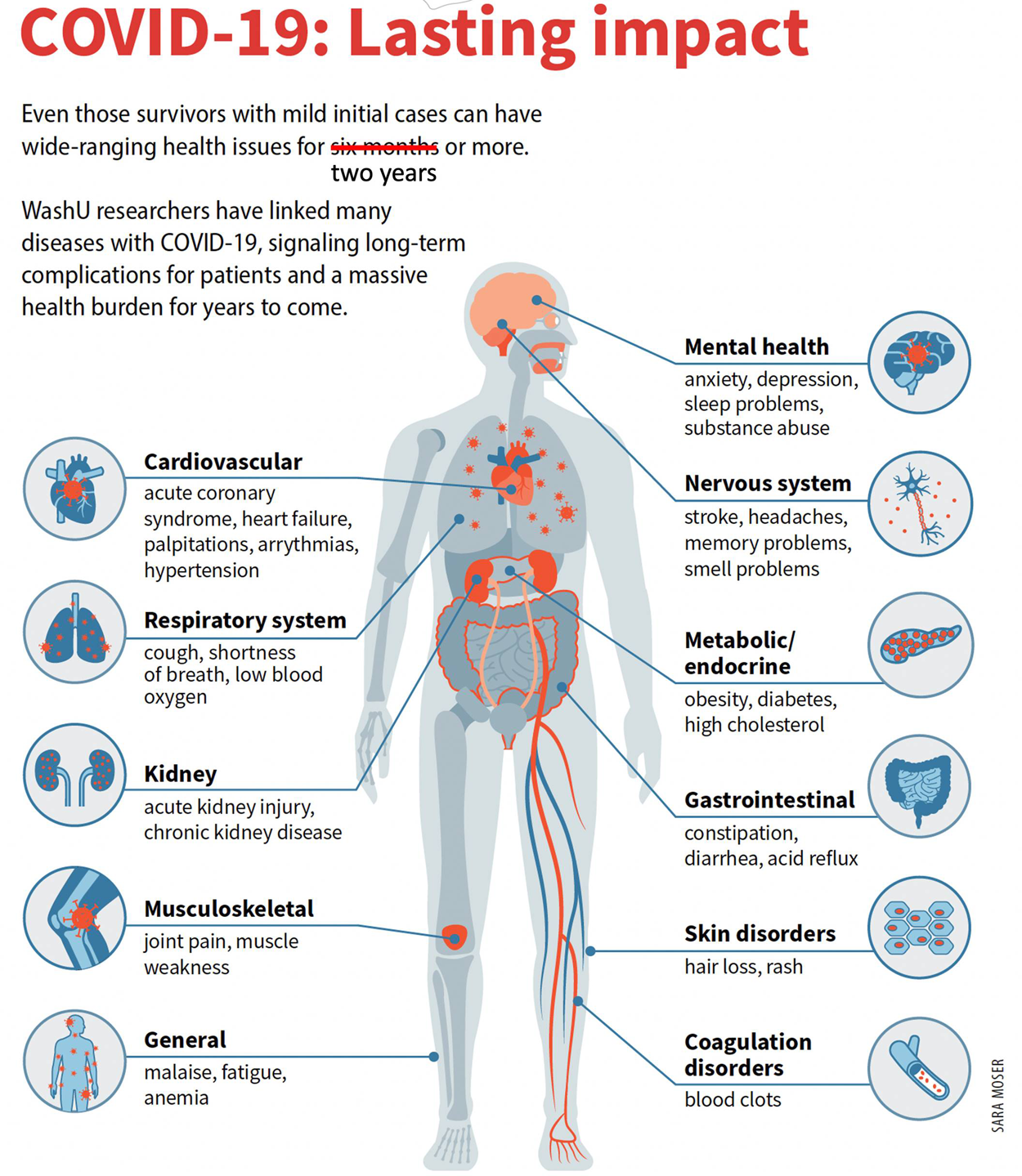
Long-COVID can be a severely debilitating condition with a wide array of symptoms occurring in individuals who became ill with COVID-19 (SARS-CoV-2). [1] Most of the research to date has described this condition in adults, and less is known about its presentation and impact in pediatric cohorts. Current data is limited primarily to descriptive reports of symptom presence, estimated incidence, and demographics. Estimates of long-COVID prevalence among children infected with SARS-CoV-2 have been highly variable, ranging from as low as 1.6% to as high as 70% in some studies [2], with most studies reporting a range of 13% to 25%. [3–5] Variation in data collection, operational definitions, and reporting have hindered precise estimates.
A recent systematic review of 31 pediatric studies involving 27 cohort and 4 cross-sectional studies [6] found that fatigue, myalgias, sleep disturbance, gastrointestinal disruption, and mood disturbances were widely reported to be among the most common symptoms. [2, 7] Earlier studies reported changes in taste and smell to be prominent, presenting complaints [8, 9], although it is unclear if these remain as active with later COVID variants. Estimates of the number of symptoms that may present across clinics range from as few as 20 to up to 200. [10, 11]
Little is known, however, about symptom severity and descriptions of clinical care among children with long-COVID. It is unclear how symptom severity in long-COVID compares to other chronic and burdensome conditions such as cancer, diabetes, sickle cell disease, and autism. Patient-reported outcomes (PROs) have been only minimally utilized to describe the lived experience for children with long-COVID. [12] Further, descriptions of specific care provided and explorations of lifestyle and integrative health interventions within this population remain unexplored. To address these gaps, the purpose of this study is to describe demographic, clinical, symptom severity, and intervention characteristics within an interdisciplinary pediatric long-COVID clinic that involved collaboration between infectious disease and integrative medicine physicians.
METHODS
Pediatric COVID Recovery Clinic
University Hospitals’ Rainbow Babies and Children's Hospital (UHRBC) is a 244-bed hospital that serves Northeast Ohio. In March of 2021, the UHRBC Pediatric COVID Recovery Clinic (PCRC) was established to formally assess and manage children with persistent symptoms following a COVID-19 infection. When the PCRC was established, very little was known about pediatric long-COVID, including incidence rates, characteristics of patients suffering with this condition, range of symptom presentations, anticipated course of the syndrome, nor how to best manage care.
Patients aged 1–26 years could be enrolled, although most patients over 21 were managed by the Adult COVID Recovery Clinic. Inclusion criteria in the spring of 2021 were informed by both Centers for Disease Control [13] recommendations and World Health Organization (WHO) [14] interpretations of long-COVID.
Hence, patients were accepted if they(1) had a history of a positive home or PCR COVID test, or
(2) had an illness consistent with COVID and a known test-positive sick contact with COVID.For the purposes of the clinic, long-COVID was defined as either new symptoms or notably worsened pre-existing symptoms temporally associated with COVID infection and persisting for at least 4 weeks after initial diagnosis. In cases where symptoms pre-existed COVID infection (eg, anxiety), patients were screened for specific worsening following the illness.
The PCRC took a team-based, interdisciplinary, integrative approach to care. For the first 12–18 months, patients were all evaluated by an infectious disease physician and an integrative medicine specialist. This team collaborated with clinicians from cardiology, nutrition, behavioral health, gastroenterology, neurology, physical therapy, ear, nose and throat, and sleep medicine based on patients’ specific symptoms. Pharmaceuticals (eg, fludrocortisone, ondansetron, sertraline) were used as indicated based on symptomatology.
Initially, lab tests (eg, complete blood count, Comprehensive Metabolic Panel, sedimentation rate, antinuclear antibody, etc.) were administered, but as experience grew, lab investigations became increasingly targeted. Lab tests for common nutritional deficits that could lead to fatigue and could be easily corrected, such as vitamin D, thyroid functions, electrolyte imbalance, and iron, continued to be ordered.
Multiple phone and email contacts with families between appointments were needed to support plan implementation. Given patients’ difficulties with school attendance and ability to focus and perform sustained activity, PCRC clinicians also engaged in advocacy efforts with teachers and educators to support students with these challenges.
Following the initial 12–18 months, due to increased patient volume and growing provider familiarity and comfort with the patient population, patients were typically assessed by either the infectious disease or integrative medicine specialist, rather than both.
An overall care philosophy of health optimization was adopted, meaning that clinicians attempted to correct any modifiable nutritional or lifestyle imbalances that might negatively affect recovery. Information from the myalgic encephalomyelitis/chronic fatigue syndrome (ME/CFS) treatment experience was adapted to care, as these conditions were seen as potentially related to long-COVID. [15, 16] Consequently, techniques such as pacing, diet modification, sleep hygiene, nutrition optimization, and emotional regulation were addressed as part of the foundations of care.Pacing is an evidence-based energy and activity management technique originating from the ME/CFS community that has demonstrated effectiveness for addressing symptoms including fatigue, pain, post-exertional malaise, and brain fog [17–19];
nutritional recommendations included an anti- inflammatory, whole foods, high nutrient density, high antioxidant, low-simple carbohydrate diet which was shown to be effective in similar conditions with chronic disease-related fatigue [20–22];
a high potency multivitamin providing sufficient vitamin D, zinc, selenium, B vitamins, and other core nutrients was often included; and
sleep hygiene practices including consistent to-bed and wake times, sufficient sleep hours, optimized sleep settings, and elimination of screens 1 hour prior to sleep were recommended. Referrals to sleep medicine were made if the suggested basic lifestyle adjustments did not show improvement on the follow up visits.Patients with myofascial pain received trigger point therapy techniques including manual self-care, gua sha, and cupping.
Gua sha is a deep tissue, “scraping” technique using a soft-edged object to increase blood flow to tissues, initiate a local healing response, decrease stasis of blood flow and fluids in tissues, and promote relaxation of taut myofascial bands. [23–25] It is similar to the Graston technique used by physical therapists.
Cupping is a well-known myofascial release tool that relieves tension in myofascial bands, changes blood flow dynamics, and stimulates a local healing response. [26–28]
Acupuncture was utilized in a small subset of patients, both specifically for myofascial pain and to address other symptoms. All trigger point therapy and acupuncture procedures were provided by the first author, a medical doctor fully trained and board certified in acupuncture and Chinese medicine.
Participants and Design
This study is a retrospective review of all clinical encounters between March 2021 and June 2023 among children, adolescents, and young adults aged 4–25 years being seen at the PCRC with a long-COVID diagnosis (ie, International Classification of Diseases 10th Revision [ICD-10] codes U09.9, Z86.16, B94.8, or G93.3) or synonyms for long-COVID (eg, chronic coronavirus, COVID 19 long hauler, long-COVID syndrome) within their health record.
Ethics and Permissions
This study was approved by the UH Cleveland Medical Center Institutional Review Board (STUDY20230850) as a retrospective chart review of an electronic health record (EHR) repository (STUDY20230178) with a waiver of informed consent.
Record Identification
Electronic Medical Record Search Engine (EMERSE) [29] was used to identify all patients meeting eligibility criteria. The EMERSE implementation at University Hospitals (UH) covers over 1.7 million patients and over 46 million searchable clinical notes (2018 to present) which are updated via nightly feeds from the EHR. In addition to data in patient notes, EMERSE allows for searching against standard medical ontologies such as ICD-10. [29]
Data Collected
The following data from all records meeting eligibility criteria were extracted:(1) demographic information including age, sex, race, and ethnicity;
(2) clinical characteristics including ICD-10 codes for all relevant diagnoses and chief complaints listed in providers’ notes;
(3) provider documentation data including history of present illness, patient discussion summary, orders, medications, and supplements.All EHR data, including full note documentation, were extracted via a single structured query language script from the UH Electronic Data Warehouse. Regular expression functions including str_extract_all from the stringr package [30] and regmatches, gregepr, sub, and gsub from base R version 4.3.1 were used to extract clinical information from the free-text note.
Patient-Reported Quality of Life
Initially, formal symptom surveys and quality of life measurements were not included within PCRC care, as instruments had not been identified that would be relevant to this novel population. Beginning in October 2022, the PCRC began using “Inside-Out-Care” [31], a patient interface platform that could manage surveys and educational information for patients. Seven instruments were identified and added that appeared to be well suited to capturing various aspects of the patient experience, and new patients were asked to complete measures prior to their initial visits.
Instruments included(1) PedsQL measures of general well-being [32] and multidimensional fatigue (child [33] and parent-proxy [34] report);
(2) Patient Reported Outcome Measurement Information System (PROMIS) Short Form 8a measures of sleep disturbance [35], sleep-related impairment [35], anxiety [36], and depression [36]; and
(3) a symptom survey developed by the authors to capture a range of presenting symptoms (eg, fatigue, dizziness, difficulty concentrating, headache). Raw PROMIS scores were converted to t-scores (mean in normal population = 50, standard deviation [SD] = 10) [37, 38] using the HealthMeasures scoring service. [39]Data Analysis
Descriptive statistics (eg, means, standard deviations, counts, and percentages) were calculated for patient demographics, clinical characteristics, provider recommendations, and quality of life and PROMIS scores. We extracted data from clinical narratives, analyzed descriptive statistics, and generated plots using R Version 4.3.1 and RStudio Version 2023.09.1 + 494 [40].
RESULTS

Table 1
Please refer to Full Text.Sample Demographics
A total of 1,177 office notes were extracted describing care at the PCRC among 214 patients with long-COVID. Demographics are presented in Table 1. Patients (mean age: 14.71 ± 3.28 at first encounter) were mostly White (82.7%), non-Hispanic (NH) (82.7%), and female (61.2%).
Conditions and Diagnoses
Table 2 summarizes the presence of conditions noted within clinicians’ clinical notes. Common conditions included fatigue (85%), headache (75.2%), dizziness (64.5%), anxiety (62.1%), nausea (59.3%), and abdominal pain (38.8%).
Interventions and Referrals
Table 3 describes the interventions recommended and referrals made among this sample of pediatric patients with long-COVID. Common interventions recommended included diet changes (81.8%), pacing (65.9%), sleep hygiene practices (61.2%), and self-care practices (46.7%). Referrals noted within clinical records included those to physical therapy (17.3%), cardiology (13.1%), nutrition (12.1%), and sleep medicine (10.7%).
Medications and Supplements
Table 4 describes medications and supplements prescribed within the PCRC. Common medications prescribed included ondansetron (35%), ibuprofen (29.4%), and fludrocortisone (27.6%), while supplements recommended included multivitamins (47.7%), probiotics (36%), Vitamin D (34.1%), magnesium (32.7%), and melatonin (31.8%).
Patient-Reported Outcomes
Of the 214 patients within this cohort, 85 (39.7%) completed at least 1 symptom survey and PedsQL child well-being instrument, and 65 (30.4%) completed the PedsQL Multidimensional Fatigue and PROMIS measures. Supplementary Table 1 provides descriptive statistics of these PROs, and Figures 1 and 2 provide boxplots summarizing their distribution. Patients’ reported mean ± SD scores on the PedsQL Multidimensional Fatigue Scale were as follows: general fatigue (35.00 ± 21.62), sleep/rest fatigue (40.58 ± 18.17), cognitive fatigue (45.00 ± 23.51), and total fatigue (40.19 ± 16.97).
Supplementary Table 2 provides counts and percentages of patients’ reported general health on the PedsQL General Well-Being scale, with respondents describing their health as bad (32.9%), fair (30.6%), good (34.1%), or very good (2.4%). As seen in Figure 2, the median and interquartile range for all PROMIS measures were above 50 (mean for a normal population). Finally, patients’ responses to the symptom survey are provided in Supplementary Table 3. The most reported symptoms among 85 respondents were fatigue or tiredness (89.4%), symptoms worse after exertion (87.1%), dizziness or light-headedness (84.7%), and difficulty concentration or focusing (82.4%).
DISCUSSION
The purpose of this study was to describe demographic, clinical, symptom severity, and intervention characteristics within an interdisciplinary pediatric long-COVID clinic. Currently, there is no national standard of care for pediatric long-COVID, nor a clear understanding of how care is being provided in clinics nationwide. [41] The care model described within this report utilizes patient-directed, self-regulation practices such as pacing, diet modification, sleep hygiene, and physical self-care. Interventions were based within a health optimization philosophy informed by the available literature on ME/CFS, and potential pathophysiologic mechanisms underlying long-COVID. Interventions focused on empowering patients to engage in self-care techniques.
Many of the treatment strategies involved changes to nutrition and behavior that were particularly challenging for a predominant adolescent population. Interventions such as pacing demand that youth stand out from their peers in how they behave in school. Sleep hygiene recommendations were challenging for school schedules and teens accustomed to staying up late using electronic devices. Nutrition guidance involving low-sugar, whole foods eating was not well-accepted by many, especially those who might be categorized as “picky eaters.” High-nutrient supplements were sometimes challenging for patients due to undesirable flavor and supplement size.
Use of a nutritionist trained in this eating strategy was often critical to support families in following nutritional guidance. Some patients who did integrate these directives provided anecdotal reports of profound improvements in numerous domains such as fatigue, pain, gastrointestinal complaints, and brain fog.
However, further research is needed to(1) investigate the effectiveness of these modalities,
(2) better understand which patients are improving most from which interventions, and
(3) identify which symptom clusters can be modified through intervention.Many children seen within the PCRC reported severe disruptions within their school and social life, which is consistent with the symptom severity reported on the PedsQL and PROMIS measures. Our findings, while not compared with an uninfected cohort, are in line with other studies that show that children and teens who have clinical evidence of long-COVID tend to have worse PROs than those who do not. [42, 43] The paper from Gross et al was primarily focused on trying to establish a post-acute sequelae of COVID (PASC) research index to help standardize the characterization of PASC in children, however, they also showed that children and teenagers with higher PASC index scores had worse PROMIS scores. [42] Montealegre Sanchez et al followed infected and uninfected patients prospectively for 3 years and found that while both cohorts report new onset of symptoms during the pandemic, the infected participates had worse PROMIS scores in the domain of pain and fatigue while their parents reported worse scores in Global Health, Physical Functioning and Mobility, Cognitive Functioning and Sleep Disturbance than uninfected participants. This data expands on what is known about long-COVID among youth by not only describing the most common presenting symptoms but also reporting on the distribution of symptom severity.
Prior to these 2 papers and our current paper, reports of validated Patient-reported outcomes (PROs) among pediatric patients with long-COVID have been limited to a preliminary case series report of 9 children. [12] Of these, 6 patients reported PedsQL Multidimensional Fatigue scores (mean ± SD) for total (46.07 ± 24.04), general (39.58 ± 29.91), sleep/rest (42.37 ± 34.87), and cognitive (56.25 ± 18.79) fatigue. Though some of these values are similar to those reported among our sample, direct comparisons are challenging given differences in sample size (ie, 65 vs 6). [12]
High symptom burden among pediatric patients with long-COVID is evident when comparing mean Patient-reported outcomes (PROs) reported within this sample to the same PROs reported among healthy subjects and children with other chronic health conditions. In a study reporting on the PedsQL Multidimensional Fatigue scores among various pediatric populations [44], healthy subjects (n = 157) reported total (82.19 ± 12.27), general (86.36 ± 13.11), sleep/rest (77.44 ± 15.41), and cognitive (86.36 ± 13.11) fatigue scores substantially higher (ie, less fatigue) than those observed within this sample.
Furthermore, this sample of pediatric patients with long-COVID reported lower mean PedsQL Multidimensional Fatigue scores (i.e., worse fatigue) (total: 40.19, general: 35.00, sleep/rest: 40.58, cognitive: 45.00) than populations with other chronic conditions including(1) children with chronic pain (total: 55.63, general: 53.44, sleep/rest: 52.04, cognitive: 61.38) [45];
(2) children undergoing active cancer treatment (total: 68.54, general: 71.40, sleep/rest: 63.43, cognitive: 70.79) [44];
(3) children with type 1 diabetes (total: 73.46, general: 78.36, sleep/rest: 69.33, cognitive: 72.82) [44]; and
(4) children with sickle cell disease (total: 61.1, general: 65.4, sleep/rest: 58.2, cognitive: 59.8). [34]We were unable to find published data on quality of life metrics for pediatric/teens/young adults suffering from ME/CFS which would have been a helpful comparison to make given disease similarity.
Patients receiving care in the PCRC also reported mean PROMIS scores that were more severe than national norms (i.e., 50) and other pediatric chronic disease cohorts. Patients in our sample reported higher mean sleep disturbance (61.79) and sleep-related impairment (63.93) scores than those reported among populations aged 8–17 including(1) children receiving active cancer treatment (disturbance: 55.85, impairment: 55.21) [46];
(2) children receiving treatment in a sleep clinic (disturbance: 59.2, impairment 57.3) [47];
(3) children with autism (disturbance: 58.4, impairment 55.5) [47];
(4) children with asthma (disturbance: 52.7, impairment 51.6) [47]; and
(5) children with eczema and asthma (disturbance: 55.0, impairment 53.5) [47].Similarly, patients in our sample reported higher mean anxiety (58.12) and depression (58.13) scores than national norms (i.e., 50) and those reported among adolescents aged 10–17 quarantined during COVID-19 (anxiety: 50.38) [48] and children aged 7–17 hospitalized for asthma exacerbation (anxiety: 48.2, depression: 46.2). [49]
These Patient-reported outcomes (PROs) demonstrate that long-COVID is a disabling condition for many, although patients may appear typical on the surface without physical deformity, generally without the need for assistive devices, and without evident symptoms such as cough or wheezing. Patients presenting to the PCRC frequently reported that teachers, school officials, coaches, and even parents did not believe they had a significant health burden; prior physicians had dismissed their inability to engage in age-appropriate activities as “anxiety” or school avoidance. Advocacy efforts within schools, sport groups, camps, healthcare institutions, and parents are urgently needed to educate these stakeholders on the severity of this condition. It is critical that educators, healthcare professionals, and others learn to identify indicators of long-COVID and not minimize or dismiss those suffering with it.
This study had several limitations. First, the PCRC clinic cohort represents a selective group of families who sought out hospital-based care due to symptom severity and a lack of spontaneous resolution, and hence likely skews higher in severity by self-selection.
Second, given the impact of COVID on all demographic populations but with particular severity among Black, Latinx, and Native American individuals [50], the 82.7% White and 6.54% Black distribution of patients seeking care through the PCRC likely does not represent the true distribution of disease and possibly represents lack of adequate access to health care services or lack of recognition of long-COVID in this population. Within the Cleveland metropolitan area, the largest racial and ethnic groups include NH Black or African American (46.7%), NH White (34%), Hispanic (12%), NH multi-racial (4.2%), and NH Asian (2.4%) [51], underscoring the demographic differences between the Cleveland community and the PCRC.
Third, use of the PedsQL and PROMIS measures were implemented later in clinic development. The subset of patients who provided these measures may not uniformly reflect the entire cohort of 214. Patients also presented and provided PROs at different times in their disease course. Finally, we were unable to collect other clinically meaningful data such as time since initial COVID diagnosis, number of COVID infections, or COVID variants to which patients were exposed.
CONCLUSIONS
Pediatric patients with long-COVID report high symptom burden, which appears to meet or exceed that of other chronic health conditions (eg, cancer, type 1 diabetes, asthma, and sickle cell disease). More research with more diverse populations is needed to better characterize pediatric long-COVID severity and evaluate outcomes from various interventions including diet, pacing, and integrative health and medicine. Utilization of PROs such as the PedsQL Multidimensional Fatigue and PROMIS measures can help to better understand the patient experience and move our understanding of this condition beyond symptom presence toward true disease impact. Future research should seek to evaluate and track long-COVID through sharing cohort data sets, thereby growing the pool of individuals who can be included in meta-analyses [6]. Next steps for our cohort would be to track and publish outcomes for these patients thereby continuing to expand our clinical knowledge of pediatric long-COVID.
Acknowledgments.
We appreciate the support of the biostatisticians from the Cleveland Center for Computational Biology including Mark Beno, MSM, Harry Menegay, PhD, Paola Saroufim, PharmD, MPH, and Sunah Song, PhD; as well as David Rosenberg, MD, MPH and Kingman Strohl, MD from the UH (Adult) COVID Recovery Clinic for support and guidance in clinic initiation and management. Thanks as well to Dan Goodall, RN and Latishia Harris for assisting in patient management, including the collection of PROs via Inside-Out-Care.
Author Contributions.
D. W. M. drafted the initial manuscript and coordinated manuscript revisions.
A. M. E. and D. W. M. conceptualized and designed the study, supervised content development, and participated in manuscript revisions.
S. R. -M. created data extraction methods and coordinated data acquisition and presentation, developed tables and figures, participated in writing and critically reviewing the manuscript.
T. S. coordinated IRB engagement, participated in manuscript revisions, and reviewed the final manuscript.
J. A. D. conceptualized the study, participated in manuscript revisions, and reviewed the final manuscript.
N. T. D. provided background research, participated in manuscript revisions, and reviewed the final manuscript.
All authors approved the final manuscript as submitted and agree to be accountable for all aspects of the work.
Financial support.
Financial support for this work came from the Siemer Family Foundation.
References:
Davis HE, McCorkell L, Vogel JM, Topol EJ.
Long COVID: major findings, mechanisms and recommendations.
Nat Rev Microbiol 2023; 21:133–46.Pellegrino R, Chiappini E, Licari A, Galli L, Marseglia GL.
Prevalence and clinical presentation of long COVID in children:
a systematic review.
Eur J Pediatr 2022; 181:3995–4009.Chiappini E, Pellegrino R, Nascimento-Carvalho CM.
Recent insights on post-COVID in pediatrics.
Pediatr Infect Dis J 2023; 42:e304–7.Baptista de Lima J, Salazar L, Fernandes A.
Long COVID in children and adolescents:
a retrospective study in a pediatric cohort.
Pediatr Infect Dis J 2023; 42:e109–11.Sansone F, Pellegrino GM, Caronni A, et al.
Long COVID in children: a multidisciplinary review.
Diagnostics (Basel) 2023; 13:1990.Jiang L, Li X, Nie J, Tang K, Bhutta ZA.
A systematic review of persistent clinical features after
SARS-CoV-2 in the pediatric population.
Pediatrics 2023; 152:e2022060351.Parisi GF, Diaferio L, Brindisi G, et al.
Cross-sectional survey on long term sequelae of pediatric
COVID-19 among Italian pediatricians.
Children (Basel) 2021; 8:769.Borch L, Holm M, Knudsen M, Ellermann-Eriksen S.
Long COVID symptoms and duration in SARS-CoV-2
positive children—a nationwide cohort study.
Eur J Pediatr 2022; 181:1597–607.Ashkenazi-Hoffnung L, Shmueli E, Ehrlich S, et al.
Long COVID in children: observations from a
designated pediatric clinic.
Pediatr Infect Dis J 2021; 40:e509–11.Ortona E, Malorni W.
Long COVID: to investigate immunological mechanisms
and sex/gender related aspects as fundamental
steps for tailored therapy.
Eur Respir J 2022; 59:2102245.Zimmermann P, Pittet LF, Curtis N.
How common is long COVID in children and adolescents?
Pediatr Infect Dis J 2021; 40:e482–7.Morrow AK, Ng R, Vargas G, et al.
Postacute/long COVID in pediatrics: development of
a multidisciplinary rehabilitation clinic
and preliminary case series.
Am J Phys Med Rehabil 2021; 100:1140–7.Centers for Disease Control and Prevention.
Long COVID (Post-COVID Conditions).
Available at: https://www.cdc.gov/covid/long-term-
effects/index.html
Accessed 21 June 2025.World Health Organization.
A clinical case definition of post COVID-19 condition
in children and adolescents by expert consensus.
Available at: https://www.who.int/publications/i/item/
WHO-2019-nCoV-Post-COVID-19-condition-CA-Clinical-
case-definition-2023-1
Accessed 21 June 2025.Qanneta R.
Long COVID-19 and myalgic encephalomyelitis/chronic
fatigue syndrome: similarities and differences
of two peas in a pod.
Reumatol Clin (Engl Ed) 2022; 18:626–8.Wong TL, Weitzer DJ.
Long COVID and myalgic encephalomyelitis/chronic fatigue
syndrome (ME/CFS)-a systemic review and comparison
of clinical presentation and symptomatology.
Medicina (Kaunas) 2021; 57:418.Goudsmit EM, Nijs J, Jason LA, Wallman KE.
Pacing as a strategy to improve energy management in
myalgic encephalomyelitis/chronic fatigue syndrome:
a consensus document.
Disabil Rehabil 2012; 34:1140–7.Ghali A, Lacombe V, Ravaiau C, et al.
The relevance of pacing strategies in managing
symptoms of post-COVID-19 syndrome.
J Transl Med 2023; 21:375.Kos D, van Eupen I, Meirte J, et al.
Activity pacing self-management in chronic fatigue syndrome:
a randomized controlled trial.
Am J Occup Ther 2015; 69:6905290020.Haß U, Herpich C, Norman K.
Anti-inflammatory diets and fatigue.
Nutrients 2019; 11:2315.Barber TM, Hanson P, Kabisch S, Pfeiffer AFH.
The low-carbohydrate diet: short-term metabolic efficacy
versus longer-term limitations.
Nutrients 2021; 13:1187.Guasch-Ferré M, Willett WC.
The Mediterranean diet and health:
a comprehensive overview.
J Intern Med 2021; 290:549–66.Chu ECP, Wong AYL, Sim P, Krüger F.
Exploring scraping therapy: contemporary views
on an ancient healing—a review.
J Family Med Prim Care 2021; 10:2757–62.Nielsen A, Knoblauch NT, Dobos GJ, Michalsen A, Kaptchuk TJ.
The effect of Gua Sha treatment on the microcirculation
of surface tissue: a pilot study in healthy subjects.
Explore (NY) 2007; 3:456–66.Seffrin CB, Cattano NM, Reed MA, Gardiner-Shires AM.
Instrument-assisted soft tissue mobilization: a
systematic review and effect-size analysis.
J Athl Train 2019; 54:808–21.Al-Bedah AMN, Elsubai IS, Qureshi NA, et al.
The medical perspective of cupping therapy:
effects and mechanisms of action.
J Tradit Complement Med 2019; 9:90–7.Furhad S, Sina RE, Bokhari AA.
Cupping therapy.
StatPearls. Treasure Island, FL:
StatPearls Publishing, 2023.Wang L, Cai Z, Li X, Zhu A.
Efficacy of cupping therapy on pain outcomes:
an evidence-mapping study.
Front Neurol 2023; 14:1266712.Hanauer DA, Barnholtz-Sloan JS, Beno MF, et al.
Electronic medical record search engine (EMERSE):
an information retrieval tool for
supporting cancer research.
JCO Clin Cancer Inform 2020; 4:454–63.Wickham H.
stringr: Simple, Consistent Wrappers for Common
String Operations, R package version 1.6.0. 2025.
10.32614/CRAN.package.stringr
Accessed 14 March 2023.Inside Out Care.
Inside Out Care.
Available at: https://insideoutcare.com/Home
Accessed 27 October 2023.Varni JW, Seid M, Kurtin PS.
PedsQL 4.0: reliability and validity of the Pediatric
Quality of Life Inventory version 4.0 generic
core scales in healthy and patient populations.
Med Care 2001; 39:800–12.Varni JW, Burwinkle TM, Szer IS.
The PedsQL Multidimensional Fatigue Scale in pediatric
rheumatology: reliability and validity.
J Rheumatol 2004; 31:2494–500.Panepinto JA, Torres S, Bendo CB, et al.
PedsQL™ Multidimensional Fatigue Scale in sickle cell disease:
feasibility, reliability, and validity.
Pediatr Blood Cancer 2014; 61:171–7.Forrest CB, Meltzer LJ, Marcus CL, et al.
Development and validation of the PROMIS pediatric
sleep disturbance and sleep-related impairment
item banks.
Sleep 2018; 41. 10.1093/sleep/zsy054.Irwin DE, Stucky B, Langer MM, et al.
An item response analysis of the pediatric PROMIS
anxiety and depressive symptoms scales.
Qual Life Res 2010; 19:595–607.Cella D, Riley W, Stone A, et al.
The patient-reported outcomes measurement information
system (PROMIS) developed and tested its first wave
of adult self-reported health outcome item banks:
2005–2008.
J Clin Epidemiol 2010; 63:1179–94.Irwin DE, Stucky BD, Thissen D, et al.
Sampling plan and patient characteristics of the
PROMIS pediatrics large-scale survey.
Qual Life Res 2010; 19:585–94.Assessment Center.
HealthMeasures Scoring Service. Available at:
https://www.assessmentcenter.net/ac_scoringservice
Accessed 25 April 2023.RStudio:
Integrated Development for R. RStudio, PBC; 2020.
Available at: https://www.rstudio.com/
Accessed 25 April 2023.Agency for Healthcare Research and Quality.
Long COVID models of care. 2023.
Available at: https://effectivehealthcare.ahrq.gov/
products/long-covid-models-care/protocol
Accessed 10 January 2024.Gross RS, Thaweethai T, Kleinman LC, et al.
Characterizing long COVID in children and adolescents.
JAMA 2024; 332:1174–88.Montealegre Sanchez GA, Arrigoni LE, Yonts AB, et al.
Pediatric SARS-CoV-2 long term outcomes study (PECOS):
cross sectional analysis at baseline.
Pediatr Res 2025; 98:541–50.Varni JW, Limbers CA, Bryant WP, Wilson DP.
The PedsQL Multidimensional Fatigue Scale in type 1
diabetes: feasibility, reliability, and validity.
Pediatr Diabetes 2009; 10:321–8.Gold JI, Mahrer NE, Yee J, Palermo TM.
Pain, fatigue, and health-related quality of life
in children and adolescents with chronic pain.
Clin J Pain 2009; 25:407–12.Daniel LC, Gross JY, Meltzer LJ, Flannery JL.
Clinical validity of the PROMIS pediatric sleep short
forms in children receiving treatment for cancer.
Pediatr Blood Cancer 2020; 67:e28535.Meltzer LJ, Forrest CB, de la Motte A, Bevans KB.
Clinical validity of the PROMIS pediatric sleep measures
across populations of children with chronic illnesses
and neurodevelopment disorders.
J Pediatr Psychol 2020; 45:319–27.Gendler Y, Blau A.
COVID-19-related anxiety symptoms among quarantined
adolescents and its impact on sleep pattern
changes and somatic symptoms.
Children (Basel) 2022; 9:735.Morin H, Worsley D, Zhang X, et al.
Depression and anxiety symptoms during and after
pediatric asthma hospitalization.
Hosp Pediatr 2021; 11:1272–80.Tai DBG, Sia IG, Doubeni CA, Wieland ML.
Disproportionate impact of COVID-19 on racial and
ethnic minority groups in the United States:
a 2021 update.
J Racial Ethn Health Disparities 2022; 9:2334–9.United States Census Bureau.
QuickFacts: Cleveland city, Ohio. Available at:
https://www.census.gov/quickfacts/fact/table/
cuyahogacountyohio,clevelandcityohio,portage
countyohio,geaugacountyohio,ashlandcountyohio,
loraincountyohio/RHI225219
Accessed 10 January 2024.[an error occurred while processing this directive] 
Return to PEDIATRICS
Since 4-16-2026