

The Association of First Provider Seen With Time Loss
From Work Among Workers With Back Injury:
A Cohort StudyThis section is compiled by Frank M. Painter, D.C.
Send all comments or additions to: Frankp@chiro.org


FROM: Am J Ind Med 2026 (Aug); 69 (8): 645–656 ~ FULL TEXT
OPEN ACCESS Morgan Young • Andrea Elmore • Eric J Roseen • Deborah Fulton-Kehoe • Gary Franklin
Washington State Department of Labor and Industries,
Tumwater, Washington, USA.
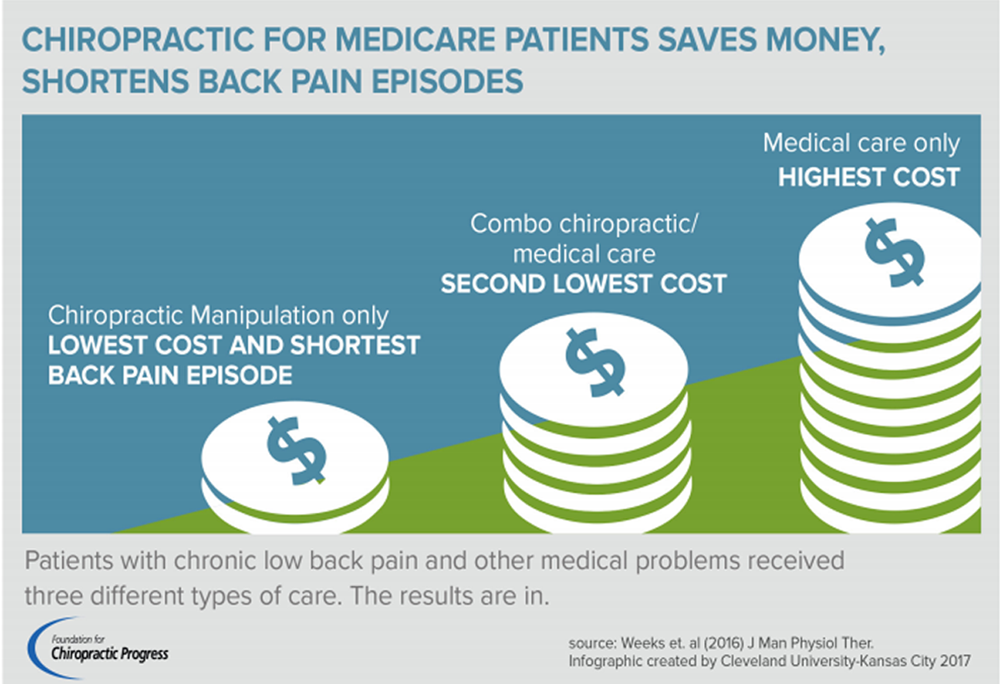
FROM: Weeks ~ JMPT 2016 (Feb) Hurwitz ~ JMPT 2016 (May)Background: Prior evidence suggests that seeking initial care from a chiropractor for back pain, compared to seeing a primary care provider first, is associated with better clinical outcomes. However, prior studies have not comprehensively adjusted for potential confounders and few studies have focused on work-related outcomes.
Methods: This population-based prospective cohort study analyzed data from workers' compensation claimants with a work-related back injury who initiated care with either a chiropractor or a primary care physician. We evaluated the association of seeing a chiropractor first, compared to seeing a primary care physician first, with receipt of wage replacement benefits for temporary total disability (time loss) at 1 year after claim initiation. Association was estimated using logistic regression adjusting for potential confounders including patient sociodemographic characteristics, employment details, self-reported pain and physical function, injury severity, healthcare factors, and psychological factors. The E-value was used to assess unmeasured confounding.
Results: Of 1,219 participants (mean age = 39, 67.5% male, 72.1% non-Hispanic White), 541 (44.4%) initiated care with a chiropractor. Participants who saw a chiropractor first, compared to a primary care physician first, were less likely to be on time-loss at 1 year as estimated by adjusted multivariate logistic regression (4.8% vs. 11.8%; adjusted odds ratio [OR]: 0.45, 95% CI: 0.24-0.86; E-value: 3.8).
Conclusions: Patients with work-related back injury who initiated care with a chiropractor were less likely to be receiving time loss compensation at 1 year compared to those who saw a primary care physician. Comprehensive adjustment for patient characteristics did not account for the differential outcome by provider type.
Keywords: back pain; chiropractic; health care utilization; work disability; workers' compensation.
From the FULL TEXT Article:
Introduction
Back pain is among the most prevalent causes of disability. [1] Work-related injuries are a common reason for back pain onset or reoccurrence. [2-5] Back pain is also a costly condition [6], with workers who progress from acute back pain to chronic disability accounting for the majority of workers' compensation costs. [3, 7-9]
Understanding predictors of long-term disability is an important part of improving clinical outcomes for workers who experience back pain. [10] Prior studies have observed an association between the type of healthcare provider first seen following the onset of back pain and health care utilization and outcomes. [11] For example, seeing a chiropractor first, compared to a physician or primary care provider, has been associated with less disability [12], lower overall healthcare utilization [13-15], fewer opioid prescriptions [16, 17], and lower overall health care costs. [18-22]
A patient's initial type of care may influence their understanding of their injury as well as the treatment strategies they subsequently receive to aid in recovery. While a minority of prior studies have occurred in a workers' compensation population, this population may be particularly important given their increased risk of disability. [23-26]
While literature has supported the early use of chiropractic care or other non-pharmacologic approaches for improving clinical and cost outcomes in back pain patients [27-30], questions persist about whether differences in long-term disability are due to patient mix (e.g., differences in patient injury type, pain severity, psychosocial prognostic factors, etc. by provider type). The Disability Risk Identification Study Cohort (D-RISC) was a prospective, population-based study to identify risk factors for long-term disability after a work-related injury. [31] This study found early chiropractic care, compared to primary care, to be associated with a 59% lower odds of work disability at 1 year, adjusting for numerous employment- and health-related variables. [31]
This is consistent with at least one other study indicating that use of chiropractors as a first provider is associated with decreased work disability in the first five months following injury. [18] However, the prior D-RISC analysis focused broadly on factors affecting work disability and did not examine all available differences in case-mix by provider type.
To address the above gaps in knowledge we expanded on the prior analysis from the D-RISC study [31] to include all measured factors thought to be potential confounders. Additionally, we included a sensitivity analysis using the E-value, a tool to assess unmeasured confounding that was unavailable at the time of the prior D-RISC analysis. This secondary analysis had three aims:First, we reassessed the relationship between the type of first provider (chiropractor or primary care physician) and time loss one year after claim submission for a work-related back injury;
second, we described differences between injured workers who see a chiropractor versus primary care physician for their first medical visit; and
third, we evaluated which individual worker characteristics are important confounders of the association between early provider type and time loss at one year.
Materials and Methods
Study Participants, Setting, and Procedures
D-RISC was a prospective, population-based study to identify a comprehensive set of risk factors for long-term disability after a work injury. Study details have been described previously. [32] Workers were eligible if they submitted a workers' compensation (WC) claim for work-related back sprain/strain between July 2002 and April 2004, were aged 18 years or older, and received at least one day of temporary total disability wage replacement (which requires at least four days of lost work time). Participants were identified through weekly reviews of the Washington State Department of Labor and Industries (L&I) claims database and contacted for a structured baseline telephone interview.
In addition to the interview, data sources included L&I administrative data - claims, medical and hospital bills, pharmacy bills, diagnoses, provider history - and a medical records review by trained nurses to assess injury severity. The L&I State Fund insured approximately two-thirds of non-Federal workers in Washington during the study period.
The remaining one-third of workers were covered by approximately 350 large self-insured companies and were not included in this study due to insufficient data availability. The study was approved by the University of Washington Institutional Review Board and all participants provided informed consent.
Of the 4,354 back injury claimants identified for participation in the D-RISC study, 2,147 (49.3%) enrolled and completed the baseline interview, 1,178 (27.1%) could not be contacted, 909 (20.9%) declined to participate, and 120 (2.8%) could not complete the interview in English or Spanish (i.e., were ineligible).
After the baseline interview, participants were excluded for the following reasons: did not receive wage replacement compensation (n = 240), unknown age (n = 3), hospitalization for injury (n = 16), and back injury not confirmed on medical record review (n = 3). The remaining 1,885 claimants were included in the original D-RISC analysis. [31] For the current study, we included only participants who saw a primary care physician or chiropractor at their first medical visit (N = 1,222).
MeasuresOutcome The study outcome was receipt of wage replacement benefits for temporary total disability one year after claim submission. This was determined from L&I administrative data and is referred to as “time loss” throughout. Time loss status is a useful proxy for return-to-work [33] and time loss at one year is regularly used as a metric for long-term disability by L&I. Time loss compensation ends when the worker returns to work or is determined to be medically stable and able to work. Workers whose claims closed or time loss ended before 1 year were categorized as not receiving time loss at one year. As a descriptive measure only, we also calculated cumulative number of days on time loss in the first year after claim submission by provider type subgroup.
First Provider Seen
L&I administrative data were used to determine the type of provider (primary care physician or chiropractor) seen for the first medical visit for the back injury, at which time a WC claim is initiated. Washington is a worker-choice state and workers are free to choose their provider across a variety of practitioner types. Primary care physician was defined as a physician or osteopathic physician with a specialty of general practice, family practice, or internal medicine. Nurse practitioners and physician assistants were not eligible to initiate a claim at the time of the study, and are therefore not a part of this analysis.
The original D-RISC analysis included the following first provider types: primary care, chiropractic, occupational medicine, and other. We did not include the occupational medicine and other categories due to heterogeneity in provider specialty and small sample sizes. Primary care and chiropractic providers encompassed 65% of the sample and we chose to focus on these provider types for our analysis. We were primarily interested in the potential protective effect of chiropractic care on workers' time loss, how these workers may differ from workers who see a primary care physician, and if any of these worker factors account for differences in time loss by provider type.
Potential Confounding FactorsSociodemographic Characteristics Age at injury and sex were obtained from L&I data. Worker-reported race and ethnicity, highest level of education, and marital status were obtained in the baseline interview. Race/ethnicity was categorized as: White; Hispanic or Latino; and, due to small numbers, all others combined (which included Black or African-American; American Indian, Native Alaskan or Native American; Asian; Native Hawaiian or other Pacific Islander; and more than one race). Urban/rural residence designation was classified by worker ZIP code according to the Washington State Department of Health's Guidelines for Using Rural-Urban Classification Systems. [34]
Employment
Information about the worker's industry was obtained from L&I data. In the baseline interview workers were asked to describe the physical demands of their job and if they were asked to do an excessive amount of work.
Pain and Function
Number of pain sites was computed from worker-reported persistent, bothersome pain in eight different areas of the body. Worker-reported measures of pain intensity, pain interference with daily activities, and pain interference with ability to work, in the past week, were assessed on a 0–10 numerical rating scale, with higher scores reflecting worse pain intensity or pain interference. [35]
Worker-reported physical disability due to low back pain was assessed with the Roland-Morris Disability Questionnaire (RMDQ), which has a range of 0 (least disability) to 24 (most disability). [36] Worker-reported physical functioning was assessed with the physical function subscale of the SF-36 [37], with norm-based scores having a possible range of 0 (worst physical functioning) to 100 (best physical functioning). Workers were also asked to rate their perception of how their pain and other problems related to their injury have changed since submitting their WC claim.
Injury Severity and Other Health Factors
The medical file was reviewed by trained nurses to categorize injury severity into the following categories in order of ascending severity:(1) mild sprain or strain,
(2) major sprain or strain with substantial immobility but no evidence of nerve injury or radiculopathy,
(3) evidence of radiculopathy, and
(4) presence of reflex, sensory, or motor abnormalities. [38]Workers were asked in the interview how many WC claims they'd had prior to the current injury and if they had any previous work-related injury with more than a month off work. Worker-reported current health (aside from the back injury) and health in the year before injury were rated on a scale from 1 (excellent health) to 5 (poor health). Workers were also asked about how many days of work they missed because of non-back-related problems in the year prior to the current injury.
Health Care
Workers were asked in the interview if, since they submitted their claim, a health care provider had discussed injury prevention with them or recommended “strengthening or aerobic physical exercises, such as swimming, walking, exercise with weights, or active physical therapy.” Workers were also asked if they had general health insurance coverage.
Administrative
Time in days between injury and first medical visit and time between first medical visit and claim receipt were computed from L&I administrative data.
Psychosocial Barriers to Recovery
Psychosocial barriers to recovery were evaluated in the worker interview. Pain catastrophizing was measured by averaging three items from the Pain Catastrophizing Scale [39], asking about the worker's thoughts when they are in pain. These were “I feel I can't stand it anymore,” “It is awful and I feel that it overwhelms me,” and “I keep thinking about how badly I want the pain to stop,” measured on a scale from 0 (not at all) to 4 (all the time).
Two questions were asked from the Fear-Avoidance Beliefs Questionnaire and their scores were averaged. [40] These were “My work might harm my back” and “My work makes, or would make, my pain worse” with responses on a scale from 0 (completely disagree) to 6 (completely agree). Mental health was assessed with the mental health subscale of the SF-36. [37] The norm-based score has a possible range of 0 (worst mental health) to 100 (best mental health).
Statistical Analysis
There were no missing data for the outcome (time loss) or primary predictor (provider type). Three cases with missing data for age were excluded, leaving a sample of 1,219 for analyses. The remaining variables had ≤ 3% missing data. Pairwise deletion was utilized for regression analyses, resulting in a varied number of included cases for each model.
Tests for bivariate associations were conducted comparing the baseline characteristics of workers who saw a chiropractor to those who saw a primary care physician for their first medical visit. Chi-square tests were used for categorical data and t-tests for continuous data. Logistic regression analysis was used to assess the association between provider type at first medical visit and being on time loss at one year. An unadjusted base model was tested first. Next, age and sex were added to the model. Third, to determine if there are any confounding factors, a series of models were tested that, in addition to adjusting for age and sex, added one potential confounder at a time. We assessed change in the provider-type odds ratio for each model.
A positive or negative change of 10% in the provider-type odds ratio (compared to the model adjusting for age and sex only) was used to identify potential confounding factors. Finally, two fully adjusted models were tested: Model 1 incorporated age, sex, and the potential confounders found to change the provider type odds ratio by 10% or more and Model 2, age, sex, and all potential confounders.
For the second fully adjusted model, the E-value was calculated. The E-value estimates the minimum strength of association an unmeasured confounder would need to have with both first provider type and time loss at one year (taking into account the measured covariates) in order to negate the results. [41] The E-value is on the risk ratio scale but in the case of a rare outcome can be used to approximate an odds ratio. All analyses were conducted using R version 4.3.0 (2023-04-21 ucrt).
Results
Overall Sample Characteristics

Table 1
page 5Descriptive statistics of worker characteristics stratified by the type of provider seen at their first medical visit are in Table 1. Among the 1219 eligible workers, the average age at injury was 39 years (range 18-73) and 67.5% were male. Most were non-Hispanic White (72.1%); 16.2% identified as Hispanic or Latino. The median days between claim submission and the baseline interview was 18. Overall, 8.7% were on time loss at one year after claim submission and the mean number of days on time loss in the first year was 64.
Worker time loss differed significantly by provider type. Among workers who saw primary care physicians at the first medical visit, 11.8% were on time loss at one year and the mean number of days on time loss in the first year after claim submission was 73 (median days on time loss: 15). Among workers who saw chiropractors, 4.8% were on time loss at one year and mean days on time loss was 52 (median days on time loss: 14).
Characteristics by Provider Type
Of the 1219 eligible workers, 55.6% (n = 678) saw a primary care physician at the first medical visit and 44.4% (n = 541) saw a chiropractor. Workers who saw a chiropractor were more likely to be male (73.0% vs. 63.1% for primary care), identify as Hispanic or Latino (21.5% vs. 11.9%), and were slightly more urban (60.2% vs. 55.3%). There was an overall difference in industry of employment (p < 0.001), with workers who saw chiropractors more likely to work in construction (20.9% vs. 15.3%) and less likely to work in education and health (10.0% vs. 19.3%).
Most measures of pain, function, injury severity, and health did not differ by provider type. This included self-reported measures of the number of pain sites; pain intensity and pain interference in the past week; physical disability due to low back pain; physical functioning; current health; health in the year before injury; the number of prior WC claims; pain catastrophizing; and mental health. Differences were found in a few measures. Workers who saw a chiropractor were less likely to report a previous work-related injury with more than one month off work (21.9% vs. 28.5%, p = 0.011) and were less likely to have missed work due to other health reasons in the year before injury (p = 0.027). Regarding how their pain has changed since injury, workers who saw chiropractors were more likely to report their pain had improved (p < 0.001). Workers who saw chiropractors were less likely to report having general health insurance coverage (64.4% vs. 72.8%, p = 0.002). Workers who saw a chiropractor also expressed fewer fear-avoidance beliefs (p = 0.003), with 41.4% scoring high or very high, compared to 51.2% for the primary care group.
Association Between Provider Type and Time Loss at One Year
Table 2

Figure 1
Table 3 The association between provider type at first medical visit and time loss at one year, unadjusted and adjusted for individual potential confounders, is shown in Table 2 and presented graphically in Figure 1. In the unadjusted model, workers who saw a chiropractor had a lower odds of being on time loss at 1 year compared to workers who saw a primary care physician (OR: 0.38, 95% CI: 0.24, 0.60). This estimate did not change after adjusting for worker age and sex.
Next, potential confounders to this association were added to the model one at a time. In all models, seeing a chiropractor was associated with a significantly lower odds of being on time loss at one year. Most factors evaluated did not confound the association between provider type and one-year time loss. Only two variables, change in pain since injury and fear-avoidance, attenuated the effect of provider type on time loss by our pre-determined threshold of at least 10%, although the association between provider type and time loss remained strong and statistically significant.
The association between seeing a chiropractor and lower odds of time loss at one year remained statistically significant in the fully adjusted models (Table 3 and Figure 1): Model 1 adjusting for age, sex, change in pain since injury, and fear-avoidance beliefs (OR: 0.48, 95% CI: 0.30, 0.78) and Model 2 adjusting for age, sex, and all potential confounders (OR: 0.45, 95% CI: 0.24, 0.86)
The E-value analysis estimated a value of 3.8 and 1.6 for the upper confidence limit, suggesting reasonable robustness to unmeasured confounding. In short, the observed odds ratio of 0.45 in Model 2 could be explained by an unmeasured confounder that was associated with both provider type and time loss by an odds ratio of 3.8-fold each, conditional on the measured confounders, but weaker confounding could not do so. Similarly, an unmeasured confounder associated with both provider type and time loss by an odds ratio of 1.6-fold each, conditional on the measured confounders, would be enough to move the upper limit of the confidence interval to include the null.
Discussion
In this study of workers' compensation claimants with back injuries, we found that workers who saw chiropractors for their first medical visit after injury had a lower odds of being on time loss at one year, compared to workers who saw primary care physicians, and that this relationship remained after adjusting for a large number of administrative and patient?reported factors. We consider our findings robust given the large E?value (3.8) in a model that has comprehensively adjusted for key prognostic factors. [41] In other words, it would take a large confounder operating through pathways independent of the measured prognostic markers to change our interpretation. [41]
Two prior studies in a workers' compensation population report similar results. [18, 31] Blanchette et al. found that workers who first saw a chiropractor after a workplace injury had a shorter duration of wage replacement compensation over the first five months after injury, compared to workers who first saw a medical doctor. [18] Our study adds important information to this prior finding. While both analyses accounted for demographic factors, job?related physical demands, previous injuries, time to first medical visit, and injury severity, we were able to include patient?reported measures of pain and psychological factors. Although our primary outcome was the proportion of workers on time loss at one year (4.8% for chiropractic vs. 11.8% for primary care), we also found the duration of time loss in the first year to differ by provider type, with an average of 52 days of time loss among workers who first saw chiropractors, compared to 73 days for workers who saw primary care physicians.
We explored patient characteristics among workers who saw chiropractors versus primary care physicians. We identified some differences between these groups, but very few differences in measures of pain, physical function, and injury severity. Previous research suggests that those who pursue chiropractic care are more likely to be White and live in rural areas. [42] Individuals who self?identified as Hispanic or Latino in our sample were more likely to see a chiropractor than a physician for their initial medical visit. One key difference in Washington workers' compensation is that workers have choice of providers and coverage for healthcare, unlike that available in their private pay insurance options, which often does not cover or only partially covers chiropractic care. [43]
We also explored potential confounding factors of the association between provider type and time loss, but most had no impact. Only two measures (pain change since injury and fear?avoidance beliefs) changed the odds ratio between provider type and time loss by more than 10%. Whether these characteristics represent individual differences preceding treatment or were influenced by chiropractic treatment is unclear, as patient?reported assessment occurred after initiation of treatment and workers may have already experienced some recovery. Workers who saw chiropractors may have been able to initiate treatment more quickly, as evidenced by the shorter (although not statistically different) time to first medical visit in this group, which may facilitate quicker recovery from injury.
We found that there was some attenuation of the difference in one?year disability after adjusting for patient case mix, but the association between provider type and one?year disability remained strong and statistically significant in the multivariable models. Distinctions in how providers care for back pain may have downstream effects, including a lower cost for conservative management due to less subsequent utilization of high?cost services. [20] Physician use of guideline?concordant back pain care is highly variable. [44] Despite well?known guidelines for over 25 years [45], adoption and implementation of guidelines for treating back pain in primary care are still challenging. [46] Chiropractic standards of treatment are well?aligned with conservative care guidelines for back pain [47] , and consideration could be made in positioning chiropractors to aid in back pain care within larger health systems. It may be that reduction of unnecessary services not only lowers costs, but decreases treatment delays and provides faster recovery. Considerations such as patient messaging around the severity of the condition, positivity in messaging recovery, and less use of unnecessary services could all contribute to the effects seen in reduced disability. Given our findings, it may be beneficial for health care delivery systems to consider improving early access to chiropractic services for back pain patients in their care pathways, and for insurers to review policies that may create barriers to early access. Insurance policies that foster early access to chiropractic care may include allowing for sole management by the chiropractor in uncomplicated claims, reimbursing chiropractors for evaluation and management services, and covering a broad range of evidence?based treatment for back pain.
Strengths and Limitations
Strengths of this study include its prospective design and large population?based cohort. We utilized administrative claim?derived measures as well as worker?reported measures, which have been frequently unavailable in previous studies. [11] In prior studies, patients seeking chiropractic care are surmised to have milder back pain [11, 13, 16], compared to those who see medical providers. However, the present study found very few differences in self?reported measures of pain and function between workers choosing primary care versus chiropractic providers.
There are also several limitations in this study. First, while our study was designed to measure a comprehensive list of factors that may predict time loss, there could be residual confounding. For example, we did not assess co?morbid health conditions, which can predict clinical outcomes or treatment effects, but any measures not included would have to be strong confounders in order to explain our results. We also did not evaluate early opioid use, which has been shown to be associated with long?term disability. [48, 49]
Future studies should explore whether the effect of first provider type on disability differs by early opioid use. Second, the baseline interview was a median of 18 days after claim submission and did not vary significantly between provider type. Thus, some measures such as pain intensity and function may underestimate the levels at the time of injury. Additionally, while we treated all measured factors as confounders, it may be that they were also influenced by the initial treatment. For example, if pain or fear?avoidance beliefs were addressed in early treatment, these factors may be considered potential mediators of an association; adjusting for potential mediators would bias results toward the null.
Third, we used a point prevalence measure of time loss, which may underestimate the absolute burden of work disability. However, it has been shown to have utility as a measure of the relative effectiveness of an intervention [50] and is strongly associated with important patient?reported outcomes. [33] Lastly, while one?year time loss outcomes in our cohort are similar to that seen in other studies (ranging from 7.8% to around 10% on disability benefits at one year, depending on the specific measure used [50, 51]), generalizability of our results to workers who do not file claims or to other workers' compensation systems is unknown.
Conclusions
Patients with work?related back injury who initiated care with a chiropractor were less likely to be receiving time loss compensation at one year than those who saw a primary care physician. Chiropractic patients differed from primary care physician patients for some sociodemographic, employment, and health?related characteristics, but importantly these factors did not account for the differential outcome by provider type.
Future studies should explore downstream costs and interventions based on the initial provider type seen. Given these findings, it may be beneficial for health care delivery systems to consider improving early access to chiropractic services for back pain patients in their care pathways, and for insurers to review policies that may create barriers to early access.
Author Contributions
Morgan Young and Deborah Fulton?Kehoe conceptualized and designed the study.
Andrea Elmore conducted the data analysis.
Morgan Young drafted the original manuscript, and all authors contributed critical revisions and interpretation of the results.
All authors approved the final version of the manuscript.
Morgan Young agrees to be accountable for all aspects of the work in ensuring that questions related to the accuracy or integrity of any part of the work are appropriately investigated and resolved.
Disclosure
The authors have nothing to report.
Conflicts of Interest
The authors declare no conflicts of interest.
Acknowledgments
Funds from the CDC/NIOSH (grant number: 1 R01 OH04069) were used to support the D?RISC study. Support for this paper was provided by the Accident and Medical Aid Funds of the State of Washington, Department of Labor and Industries. Dr. Roseen is the recipient of a career development award from the National Center for Complementary and Integrative Health (NCCIH, K23?AT010487), which supported his work on this manuscript. The content is solely the responsibility of the authors and does not necessarily represent the official views of NCCIH or any other funding source.
Young M., Elmore A., Roseen E. J., Fulton?Kehoe D., and Franklin G., “The Association of First Provider Seen With Time Loss From Work Among Workers With Back Injury: A Cohort Study,” American Journal of Industrial Medicine 69 (2026): 645?656, 10.1002/ajim.70097.
Work was performed at the University of Washington.
References:
M. L. Ferreira, K. de Luca, L. M. Haile, et al.
Global, Regional, and National Burden of Low Back Pain,
1990–2020, Its Attributable Risk Factors, and
Projections to 2050: A Systematic Analysis of
the Global Burden of Disease Study 2021
Lancet Rheumatology 2023 (May 23); 5 (6): E316-E329Back Injuries Prominent in Work-Related
Musculoskeletal Disorder Cases in 2016
Bureau of Labor Statistics,
U.S. Department of Labor (2024),
https://www.bls.gov/opub/ted/2018/back-injuries-prominent-in-
work-related-musculoskeletal-disorder-cases-in-2016.htm.A. Cheadle, G. Franklin, C. Wolfhagen, et al.
Factors Influencing the Duration of Work-Related Disability:
A Population-Based Study of Washington State Workers' Compensation
American Journal of Public Health 84, no. 2 (1994): 190–196,
https://doi.org/10.2105/ajph.84.2.190.B. J. Keeney, J. A. Turner, D. Fulton-Kehoe, T. M. Wickizer
Early Predictors of Occupational Back Reinjury: Results From
a Prospective Study of Workers in Washington State
Spine 38, no. 2 (2013): 178–187,
https://doi.org/10.1097/BRS.0b013e318266187d.P. S. Nolet, V. L. Kristman, P. Côté, L. J. Carroll, C. A. Hincapié
The Association Between a Lifetime History of Work-related
Low Back Injury and Future Low Back Pain:
A Population-based Cohort Study
European Spine J 2016 (Apr); 25 (4): 1242–1250J. L. Dieleman, J. Cao, A. Chapin, et al.
US Health Care Spending by Payer and Health Condition, 1996-2016
JAMA 2020 (Mar 3); 323 (9): 863–884L. Hashemi, B. S. Webster, E. A. Clancy, and E. Volinn
Length of Disability and Cost of Workers' Compensation
Low Back Pain Claims
Journal of Occupational & Environmental Medicine 39, no. 10 (1997): 937–945,
https://doi.org/10.1097/00043764-199710000-00005.B. S. Webster and S. H. Snook
The Cost of 1989 Workers' Compensation Low Back Pain Claims
Spine 19, no. 10 (1994): 1111–1115, discussion 1116,
https://doi.org/10.1097/00007632-199405001-00001.D. A. Williams, M. Feuerstein, D. Durbin, and J. Pezzullo
Health Care and Indemnity Costs Across the Natural History
of Disability in Occupational Low Back Pain
Spine 23, no. 21 (1998): 2329–2336,
https://doi.org/10.1097/00007632-199811010-00016.T. M. Kosloff, D. Elton, S. A. Shulman, J. L. Clarke
Conservative Spine Care: Opportunities to
Improve the Quality and Value of Care
Popul Health Manag. 2013 (Dec); 16 (6): 390–396J. Zouch, J. Comachio, A. Bussières, et al.
Influence of Initial Health Care Provider on Subsequent Health
Care Utilization for Patients With a New Onset of
Low Back Pain: A Scoping Review
Physical Therapy 2022 (Nov 1); 102 (12): pzac150J. Nyiendo, M. Haas, B. Goldberg, and G. Sexton
Pain, Disability, and Satisfaction Outcomes and Predictors
of Outcomes: A Practice-based Study of Chronic Low Back
Pain Patients Attending Primary Care
and Chiropractic Physicians
J Manipulative Physiol Ther. 2001 (Sep); 24 (7): 433–439C. G. Bise, M. Schneider, J. Freburger, et al.
First Provider Seen for an Acute Episode of Low Back Pain
Influences SubsequentHealth Care Utilization
Physical Therapy 2023 (Jun 28); 103 (9): pzad067B. J. Keeney, D. Fulton-Kehoe, J. A. Turner, T. M
Early Predictors of Lumbar Spine Surgery After Occupational
Back Injury: Results From a Prospective Study
of Workers in Washington State
Spine (Phila Pa 1976). 2013 (May 15); 38 (11): 953–964B. I. Martin, M. M. Gerkovich, R. A. Deyo, et al.
The Association of Complementary and Alternative Medicine
Use and Health Care Expenditures for Back and Neck Problems
Medical Care 2012 (Dec); 50 (12): 1029–1036L. E. Kazis, O. Ameli, J. Rothendler, et al.
Observational Retrospective Study of the Association of
Observational Retrospective Study of the Association of
Initial Healthcare Provider for New-onset Low Back Pain
with Early and Long-term Opioid Use
BMJ Open. 2019 (Sep 20); 9 (9): e028633K. L. Corcoran, L. A. Bastian, C. G. Gunderson, C. Steffens, A
Association Between Chiropractic Use and Opioid
Receipt Among Patients with Spinal Pain:
A Systematic Review and Meta-analysis
Pain Medicine 2020 (Feb 1); 21 (2): e139–e145M. A. Blanchette, M. Rivard, C. E. Dionne, S. Hogg-Johnson
Association Between the Type of First Healthcare Provider
and the Duration of Financial Compensation for
Occupational Back Pain
J Occupational Rehabilitation 2017 (Sep); 27 (3): 382–392R. L. Liliedahl, M. D. Finch, D. V. Axene, and C. M. Goertz
Cost of Care for Common Back Pain Conditions Initiated
With Chiropractic Doctor vs Medical Doctor/Doctor of
Osteopathy as First Physician: Experience of One
Tennessee-Based General Health Insurer
J Manipulative Physiol Ther 2010 (Nov); 33 (9): 640–643R. Farabaugh, C. Hawk, D. Taylor, et al.
Cost of Chiropractic Versus Medical Management of
Adults with Spine-related Musculoskeletal Pain:
A Systematic Review
Chiropractic & Manual Therapies 2024 (Mar 6); 32: 8D. I. Rhon, T. A. Greenlee, and J. M. Fritz
The Influence of a Guideline-Concordant Stepped Care Approach
on Downstream Health Care Utilization in Patients With
Spine and Shoulder Pain
Pain Medicine 20, no. 3 (2019): 476–485,
https://doi.org/10.1093/pm/pny212.W. B. Weeks, B. Leininger, J. M. Whedon, et al.
The Association Between Use of Chiropractic Care and
Costs of Care Among Older Medicare Patients With
Chronic Low Back Pain and Multiple Comorbidities
J Manipulative Physiol Ther. 2016 (Feb); 39 (2): 63–75V. Y. de Moraes, K. Godin, M. J. S. Tamaoki, F
Workers' Compensation Status: Does It Affect Orthopaedic
Surgery Outcomes? A Meta-Analysis
PLoS One 7, no. 12 (2012): e50251,
https://doi.org/10.1371/journal.pone.0050251.U. Hani, S. H. Monk, D. Pfortmiller, et al.
Effect of Workers' Compensation Status on Pain, Disability,
Quality of Life, and Return to Work After Lumbar Spine
Surgery: A 1-Year Propensity-Matched Analysis
Journal of Neurosurgery. Spine 39, no. 1 (2023): 47–57,
https://doi.org/10.3171/2023.2.Spine221341.R. F. Henn, 3rd, L. Kang, R. Z. Tashjian, and A. Green
Patients With Workers' Compensation Claims Have Worse
Outcomes After Rotator Cuff Repair
Journal of Bone and Joint Surgery 90, no. 10 (2008): 2105–2113,
https://doi.org/10.2106/jbjs.F.00260.C. Cancelliere, J. Donovan, M. J. Stochkendahl, et al.
Factors Affecting Return To Work After Injury Or Illness:
Best Evidence Synthesis of Systematic Reviews
Chiropractic & Manual Therapies 2016 (Sep 8); 24 (1): 32Z. A. Michaleff, C. W. C. Lin, C. G. Maher, and M. W. van Tulder
Spinal Manipulation Epidemiology:
Systematic Review of Cost Effectiveness Studies
J Electromyogr Kinesiol. 2012 (Oct); 22 (5): 655–662A. Tsertsvadze, C. Clar, R. Court, A. Clarke, H. Mistry
Cost-Effectiveness of Manual Therapy for the Management
of Musculoskeletal Conditions: A Systematic Review
and Narrative Synthesis of Evidence
From Randomized Controlled Trials
J Manipulative Physiol Ther. 2014 (Jul); 37 (6): 343–362C. Elder, L. DeBar, C. Ritenbaugh, et al.
Comparative Effectiveness of Usual Care With or Without
Chiropractic Care in Patients with Recurrent
Musculoskeletal Back and Neck Pain
J Gen Intern Med. 2018 (Sep); 33 (9): 1469–1477I. B. C. Korthals-de Bos, M. Müllner, J. L. Hoving, et al.
Cost Effectiveness of Physiotherapy, Manual Therapy,
and General Practitioner Care for Neck Pain:
Economic Evaluation Alongside a
Randomised Controlled Trial
British Medical Journal 2003 (Apr 26); 326 (7395): 911J. A. Turner, G. Franklin, D. Fulton-Kehoe, et al.
ISSLS Prize Winner: Early Predictors of Chronic Work Disability:
A Prospective, Population-Based Study of
Workers With Back Injuries
Spine 33, no. 25 (2008): 2809–2818,
https://doi.org/10.1097/BRS.0b013e31817df7a7.J. A. Turner, G. Franklin, D. Fulton-Kehoe, et al.
Prediction of Chronic Disability in Work-Related Musculoskeletal
Disorders: A Prospective, Population-Based Study
BMC Musculoskeletal Disorders 5 (2004): 14,
https://doi.org/10.1186/1471-2474-5-14.D. Fulton-Kehoe, J. Gluck, R. Wu, R. Mootz, T. M. Wickizer
Measuring Work Disability: What Can Administrative Data
Tell Us about Patient Outcomes?
Journal of Occupational & Environmental Medicine 49, no. 6 (2007): 651–658,
https://doi.org/10.1097/JOM.0b013e318058a9e7.Guidelines for Using Rural-Urban Classification Systems
for Community Health Assessment.
Washington State Department of Health, accessed November 27, 2023,
https://doh.wa.gov/sites/default/files/legacy/
Documents/1500//RUCAGuide.pdf.M. Von Korff
Epidemiological and Survey Methods: Assessment of Chronic Pain.”
in Handbook of Pain Assessment, eds. D. C. Turk and R. Melzack.
The Guilford Press, 2001. 2nd ed., 603–618.M. Roland and R. Morris
A Study of the Natural History of Back Pain: Part I
Spine 8, no. 2 (1983): 141–144,
https://doi.org/10.1097/00007632-198303000-00004.J. E. Ware, Jr.
SF-36 Health Survey Update
Spine 25, no. 24 (2000): 3130–3139,
https://doi.org/10.1097/00007632-200012150-00008.B. D. Stover, J. A. Turner, G. Franklin, et al.
Factors Associated With Early Opioid Prescription Among
Workers With Low Back Injuries
Journal of Pain 7, no. 10 (2006): 718–725,
https://doi.org/10.1016/j.jpain.2006.03.004.M. J. L. Sullivan, S. R. Bishop, and J. Pivik
The Pain Catastrophizing Scale: Development and Validation
Psychological Assessment 7, no. 4 (1995): 524–532.G. Waddell, M. Newton, I. Henderson, D. Somerville
A Fear-Avoidance Beliefs Questionnaire (FABQ) and the
Role of Fear-avoidance Beliefs in Chronic Low Back
Pain and Disability
Pain. 1993 (Feb); 52 (2): 157–168T. J. VanderWeele and P. Ding
Sensitivity Analysis in Observational Research:
Introducing the E-Value
Annals of Internal Medicine 167, no. 4 (2017): 268–274,
https://doi.org/10.7326/m16-2607.J. M. Whedon and Y. Song
Racial Disparities in the Use of Chiropractic Care under Medicare
Alternative Therapies in Health and Medicine 18, no. 6 (2012): 20–26.R. L. Nahin, P. M. Barnes, and B. J. Stussman
Insurance Coverage for Complementary Health Approaches
Among Adult Users: United States, 2002 and 2012
NCHS Data Brief 235 (2016): 1–8.K. I. Minick, A. Krueger, A. Millward, et al.
Guideline Concordant Care for Acute Low Back Pain:
A Mixed-Methods Analysis of Determinants
of Implementation
American Journal of Emergency Medicine 88 (2025): 162–171,
https://doi.org/10.1016/j.ajem.2024.11.042.S. J. Atlas and R. A. Deyo
Evaluating and Managing Acute Low Back Pain in the
Primary Care Setting
Journal of General Internal Medicine 16, no. 2 (2001): 120–131,
https://doi.org/10.1111/j.1525-1497.2001.91141.x.S. Zhao, A. V. Langford, Q. Chen, et al.
Effectiveness of Strategies for Implementing Guideline-
Concordant Care in Low Back Pain: A Systematic
Review and Meta-Analysis of Randomised
Controlled Trials
EClinicalMedicine 78 (2024): 102916,
https://doi.org/10.1016/j.eclinm.2024.102916.D. Elton and M. Zhang
Low Back Pain Service Utilization and Costs: Association With
Number of Visits of Chiropractic Manipulation, Active Care,
Manual Therapy or Acupuncture. A Retrospective Cohort Study
medRxiv (2022):22281664,
https://doi.org/10.1101/2022.10.28.22281664.N. Carnide, S. Hogg-Johnson, M. Koehoorn
Relationship Between Early Prescription Dispensing Patterns
and Work Disability in a Cohort of Low Back Pain Workers'
Compensation Claimants: a Historical Cohort Study
Occupational and Environmental Medicine 76, no. 8 (2019):
573–581, https://doi.org/10.1136/oemed-2018-105626.G. M. Franklin, B. D. Stover, J. A. Turner, D. Fulton-Kehoe
Early Opioid Prescription and Subsequent Disability
Among Workers With Back Injuries: The Disability
Risk Identification Study Cohort
Spine 15 33, no. 2 (2008): 199–204,
https://doi.org/10.1097/BRS.0b013e318160455c.N. Krause, L. K. Dasinger, L. J. Deegan
Alternative Approaches for Measuring Duration of Work
Disability After Low Back Injury Based on
Administrative Workers' Compensation Data
American Journal of Industrial Medicine 35, no. 6 (1999): 604–618,
https://doi.org/10.1002/(sici)1097-0274(199906)35:6<604::aid-ajim8>3.0.co;2-t.J. Berecki-Gisolf, F. J. Clay, A. Collie, and R. J. McClure
Predictors of Sustained Return to Work After Work-Related
Injury or Disease: Insights From Workers'
Compensation Claims Records
Journal of Occupational Rehabilitation 22, no. 3 (2012): 283–291,
https://doi.org/10.1007/s10926-011-9344-y.[an error occurred while processing this directive] 
Return to WORKERS' COMPENSATION
Return to INITIAL PROVIDER/FIRST CONTACT
Since 5-27-2023

